
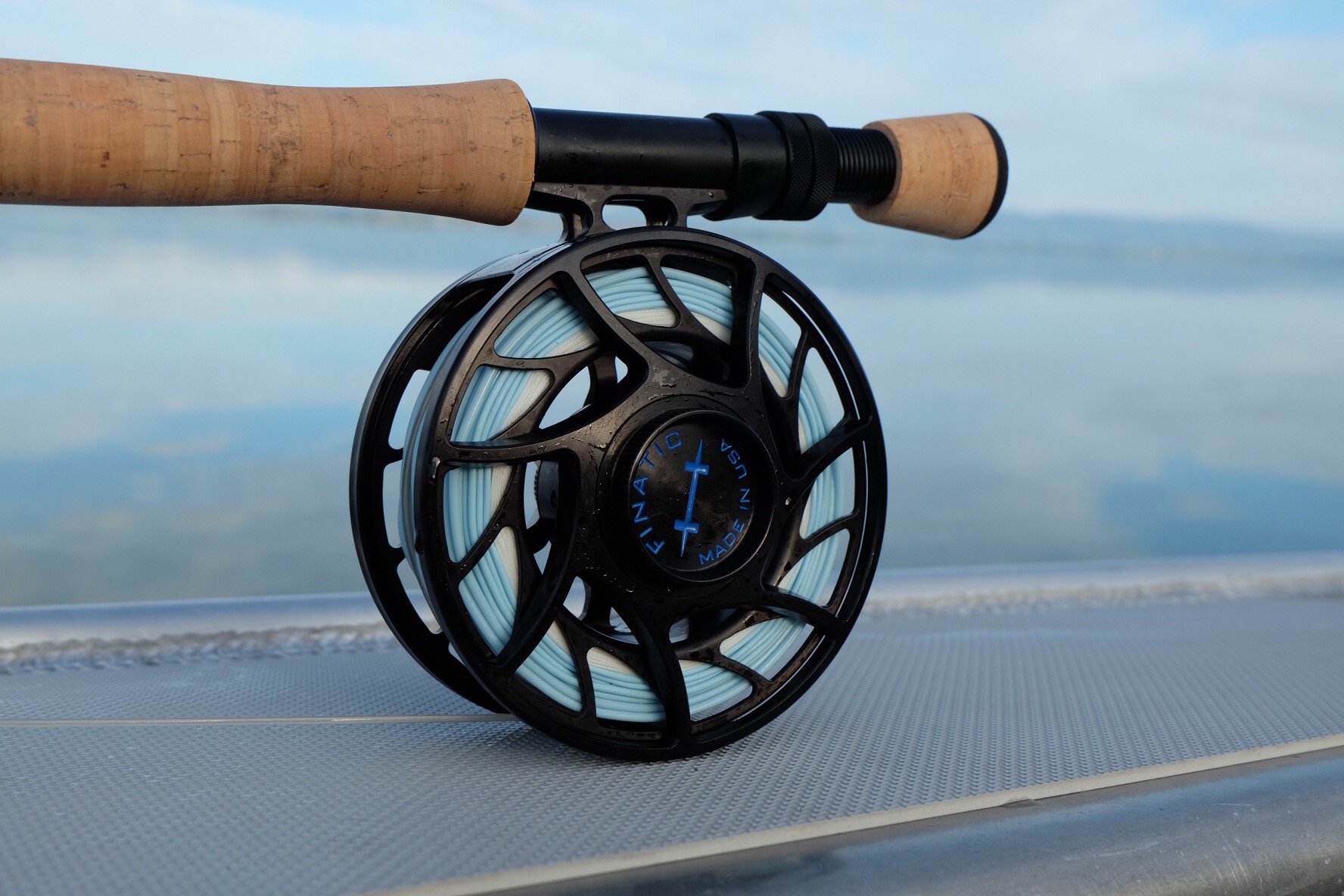
Quick article I wrote for Manic Tackle Project detailing a few line specifics.
http://www.manictackleproject.com/techy-thursdays-whats-my-salt-line/
Quick article I wrote for Manic Tackle Project detailing a few line specifics.
http://www.manictackleproject.com/techy-thursdays-whats-my-salt-line/
Just a handful of reasons you may have suffered in the hands of the fishing gods.
At some point in your life you’ve had to deal with rejection. How you go about dealing with it is your business, but one thing is – if you don’t pick your own self up you ain’t never going to learn from it.
Therefore I’ve put together a few little snippets on making a rubbish situation a little more bearable and maybe even turn it into an eat. And also help me get through the flats drought over winter.
Kingfish are by and large a cunning predator. They are on top of their game and one day will be terrorizing bait relentlessly, the next day scrutinizing every single fibre on your fly. So as a rule of thumb for these days I’ll fish as natural as possible. Muted colors and minimal bling can still turn them on. Otherwise “if you can’t catch em, piss them off”! Bright, bulky and loud being the modus operandi here.


A few points about these precious few seconds boat side. Don’t look them in the eye, keep very still, no pointing at them and yelling eat the f*%ken fly. Keep the rod still and away from overhead. In fact just ignore the bastards and wait for your next shot, almost as they disappear from sight or at your casting range limits are best bets.
Gear failure sucks big time. Buy the best gear you can afford and keep it in great condition. Saltwater is a reel killer and a water/bomb proof drag is highly recommended. Retie suspect and overworked knots. Research the best connections for each stage of line join and practice them over and over again. And when you’ve mastered that find an even better way to do it…
Sometimes however it just doesn’t go to plan. My mate Andrew Marshall got backlashed on a big kingfish a few years back (keep the drag set, not undone after stripping line off). The monstrous surface take and sound of that fly line snapping as it came tight was epic and forever etched in our minds. All these little lessons serve a purpose to strengthen your resolve, if you’re not learning something from it then get an easier hobby.

Most people don’t eat meals all day long, same applies to fish. Perhaps a smaller portion will be snapped up more readily. This is a good time to mention bite times and solunar activity. Keep an eye on these you’ll be pleasantly surprised when the fish activity correlates to these times, even if it is just a brief window.
And finally the worst of all, blanking! You’ve worked hard all day, covered all your spots and tried all your tricks. Best to go home, clean your gear, curse the fish and have a beer (in no particular order, but if you’re really clever you can do them all at once). Strip things back to the basics and think how you can do better. Often keeping things simple will take the clutter out of your head and fishing. Leaving you free to chase fish, not faff around distracted.
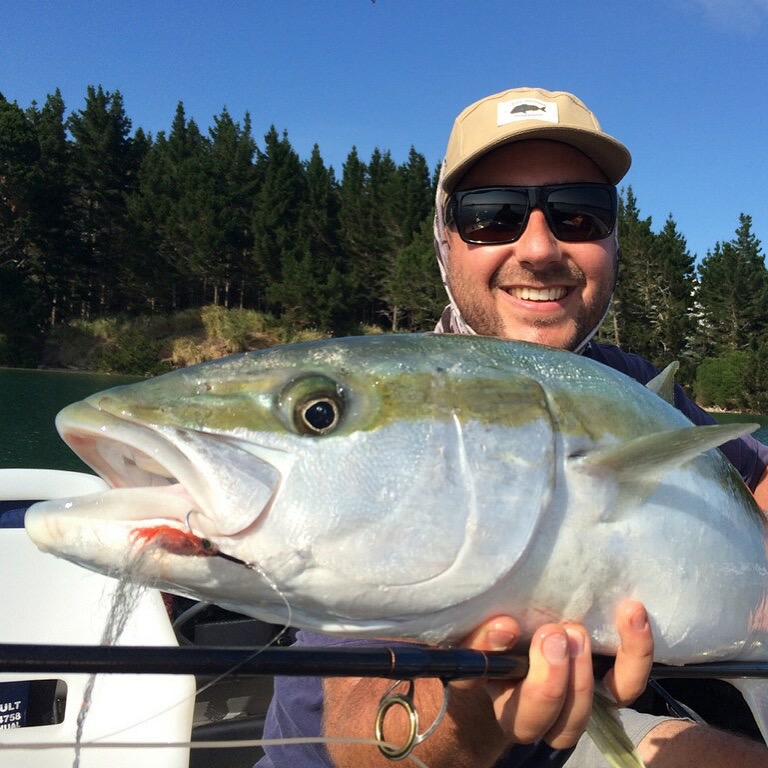

Even the best of the best have had a shit day or two. Just bear that in mind next time you find yourself raging in a bad way. Tomorrow’s another day.
The guys at Manic Tackle Project hit me up recently for a rummage around the boat. They found my pride and joy…

So it’s pretty much official. New Zealand is fast gaining a serious reputation for not only an amazing freshwater fishery but also for the vast salt fly flats on offer. What a great thing to offer international and national guests, hopefully more people heading our way are packing more than a 6wt, dry flies and waders in their arsenal.

Our kingfish are known as some of the smartest, fiercest and dirtiest fighters around, with two of the worlds biggest at 52kg coming from NZ waters. It’s nice to chest beat about getting them on light gear but a long protracted fight can be avoided with heavier (8/10wt+) set ups. This ensures a healthy release and gives enough leverage to put the hurt back onto the fish – and you never know when the meter plus models turn up until you have a mere second to throw the cast.
Also, the resident Bronzies (bronze whaler sharks) are very clever and love a feed of fish, they habitually feed in common “filleting areas” where fisherman clean their days catch. It won’t be long until they have more presence on the flats with the dinner gong of a fighting Kingi ringing into the nearby channels.
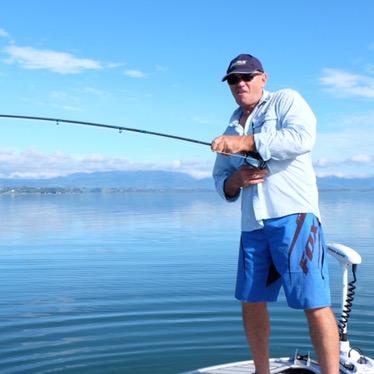

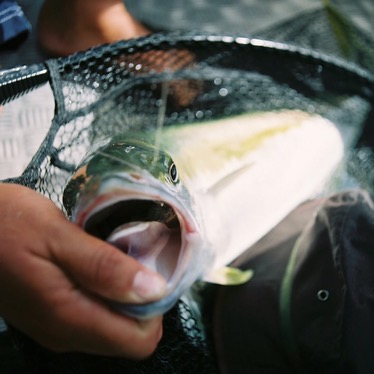
While there’s no regulations about hooks (yet…), going barbless is definitely the way forward. Easier hooksets, effortless unhooking and if one day the inevitable human contact happens then you’ll be much better off for it. Plus fish harm is minimal, the nature of kings is to inhale their prey with its massive bucket mouth and reaching inside to remove a hook is not that uncommon.


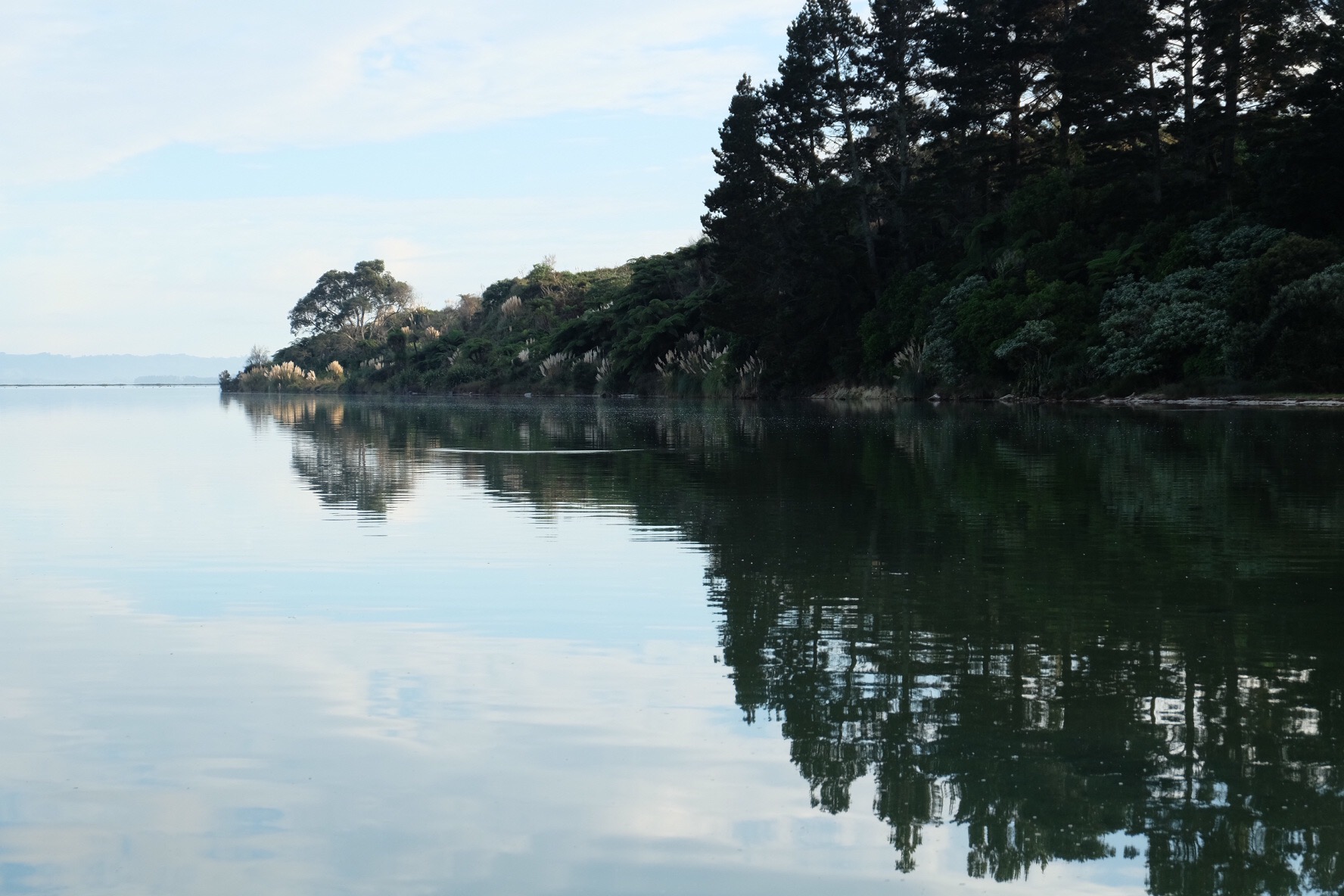
As for the flats themselves, they can handle the increasing pressure for now. New Zealand has an overwhelming amount of coastline and harbours. Sure, there’s a few hotspots and I’m lucky enough to be 5 minutes from a 220sqkm harbour that is home to NZs 5th largest city. Tauranga harbours sheer size alone can see you fish 6-8, make that 10+ good flats within the day and even then you have only just scratched the surface.
Thankfully the attention Collingwood has received put good Ol’ NZ on the map in a good way, but the fishery has already had some noise about handling the pressure. I’m sure time will tell, and without sounding righteous it’s not really the fly fishers that will be a problem. The overriding issue is that people respect the fish, environment and people around it. If you haven’t seen the amazing video yet here’s the link.
At 750mm to the fork the legal size is pretty reasonable. A bag limit of 3 per day is downright greedy however. As a big percentage of fly caught flats Kingis are undersized then C&R is the only option.
When releasing ensure time out of the water is minimal, contact is with wet hands and support the fish by cradling it. I happily encourage releasing the bigger ones also, but if you need to feed the family then do it smartly, and look after your catch properly. All basic stuff and you’ve most likely heard it before but it still amazes myself and others to witness a few bad practices.
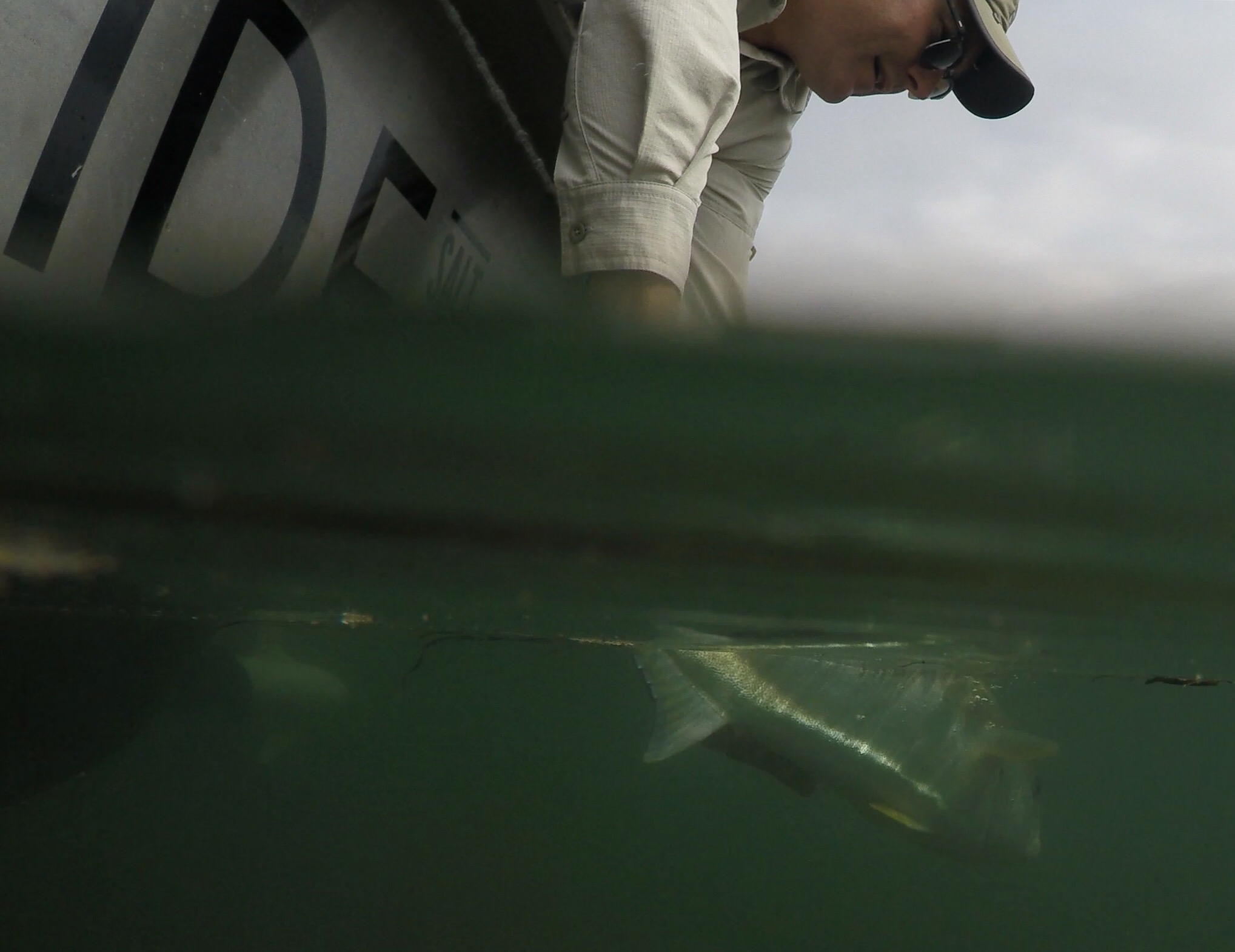


The #tagakingonfly tagging program we have in operation covers Manukau and Tauranga harbours, Waiheke Island and soon to be Collingwood. It will be interesting to see the data as it emerges and give weight to the conversation of New Zealands recreational fisheries worth. As Lee Wulff said, “A game fish is too valuable to be caught only once”.
Paul Mills is the man behind it all and is selling t-shirts to help fund what is currently a self funded project by ourselves. Your help and donations are greatly appreciated to aid us in our next steps. For sales and more info contact Millsy here.

As for winter, when those crisp clear bluebird days happen I’ll be out chasing Kahawai and trevally work ups. The whitebait are thickening in mass out the front and this can create paddocks of fish gorging themselves silly.
Spring seems like a long time away but it will be on us in just over 2 months and with today being the shortest day the daylight will soon increase. With that warmth comes the migration of baitfish, and inturn the predators follow. Speaking of predators I have a date with some Makos coming up hopefully, that should be fun.

In the meantime, tie some flies, rig more leaders and give your gear a good going over. Oh and service the boat, the lifejackets, the list goes on…
And don’t forget, if you want to be part of this experience drop me a line and we can arrange a day on the water for the upcoming season.
This warm weather we’ve been having hasn’t disappointed and the lead up to the weekends super moon saw some amazing fishing. Still big numbers of kings patrolling in shallow, some of which are over the magic meter. Getting onto them is another story, boat side refusals and bust offs being a regular feature. 

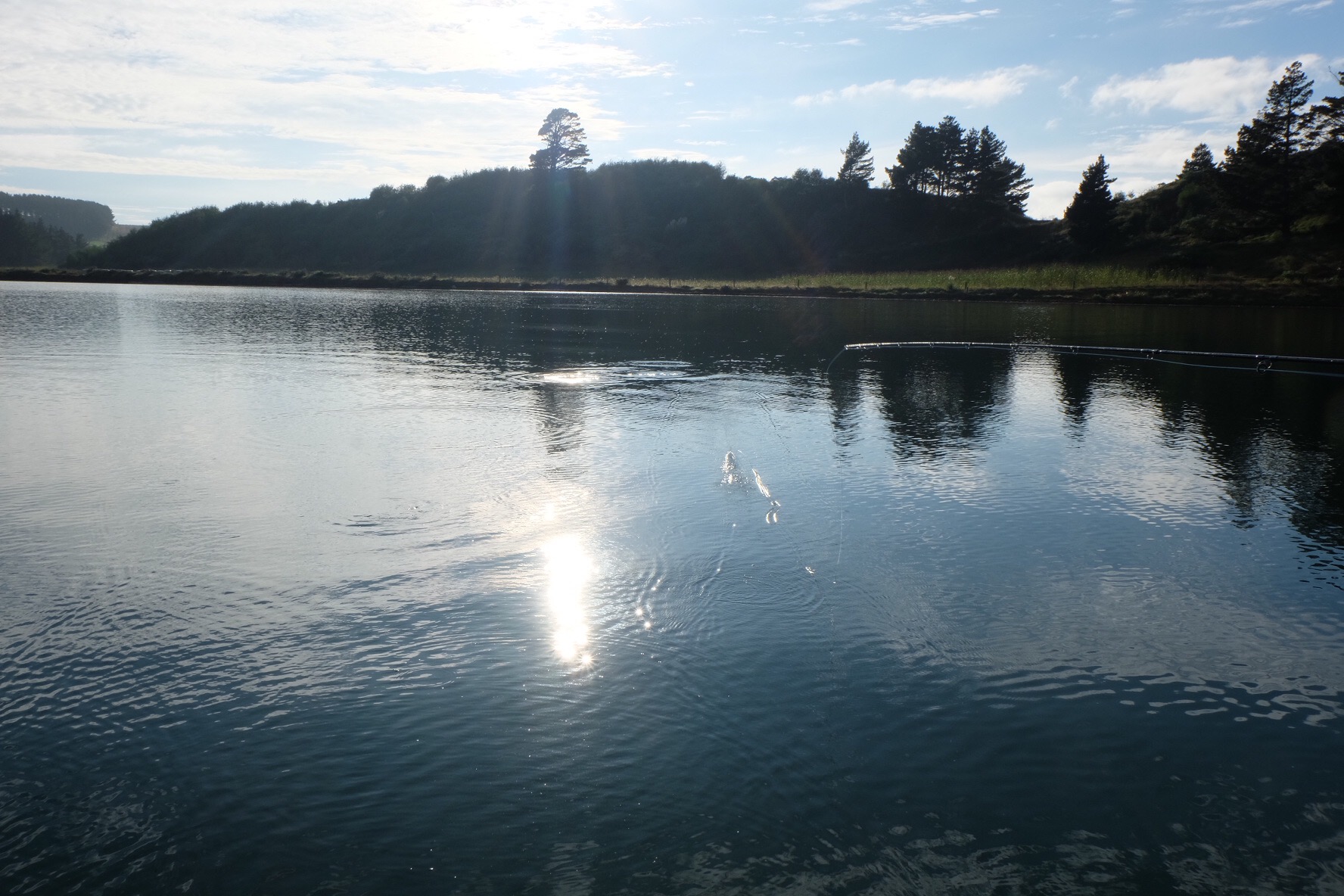
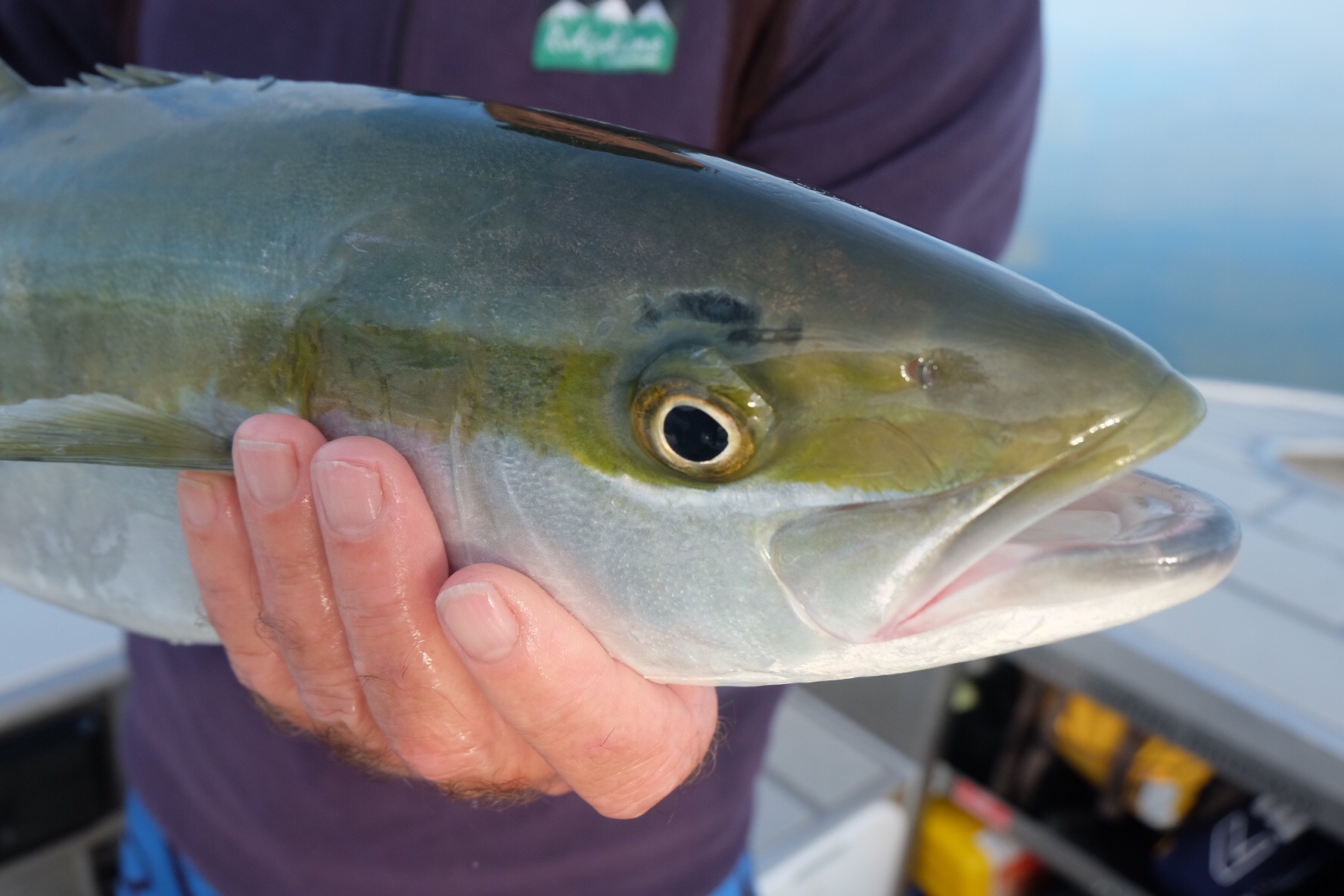
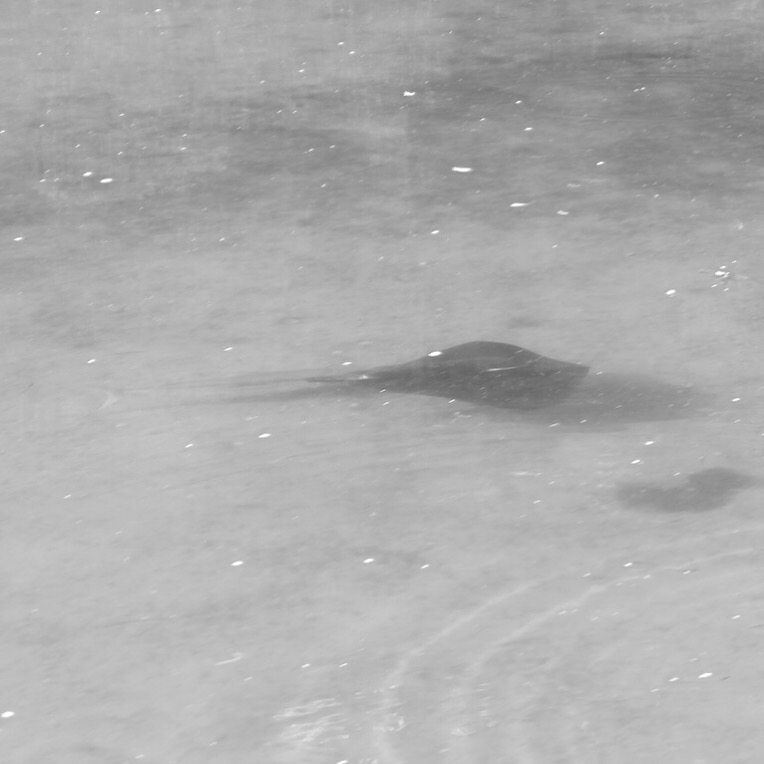
The stingrays are happily patrolling the skinny water and don’t seem to mind the sun as much compared to the heat of Summer. Piper are in plague proportions and often the spray of fleeing fish is a good sign trouble is lurking.


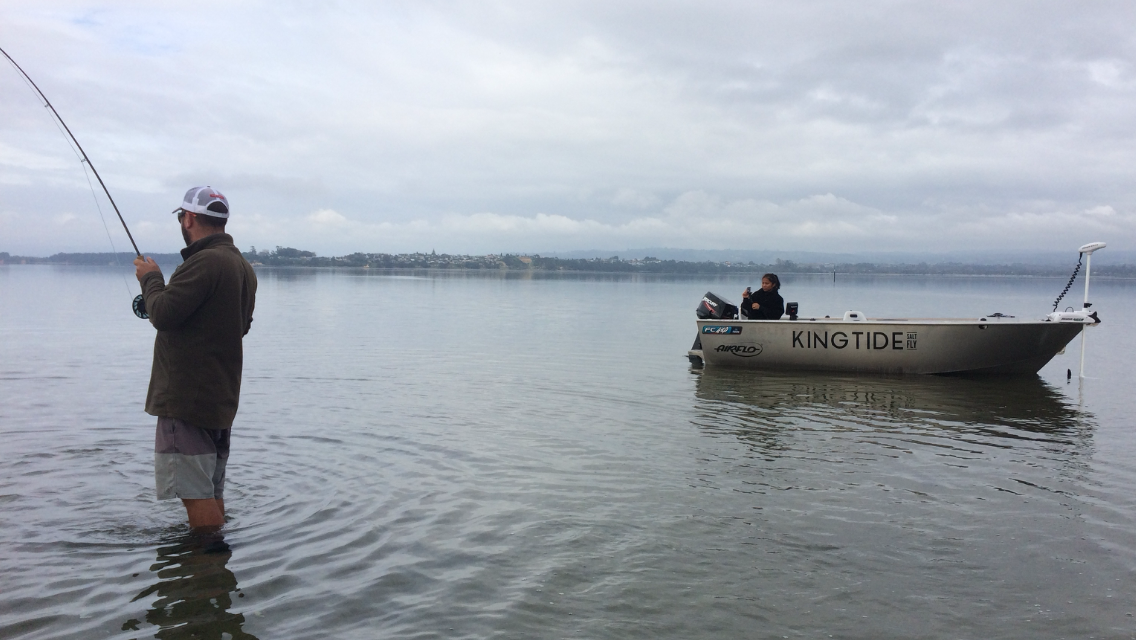

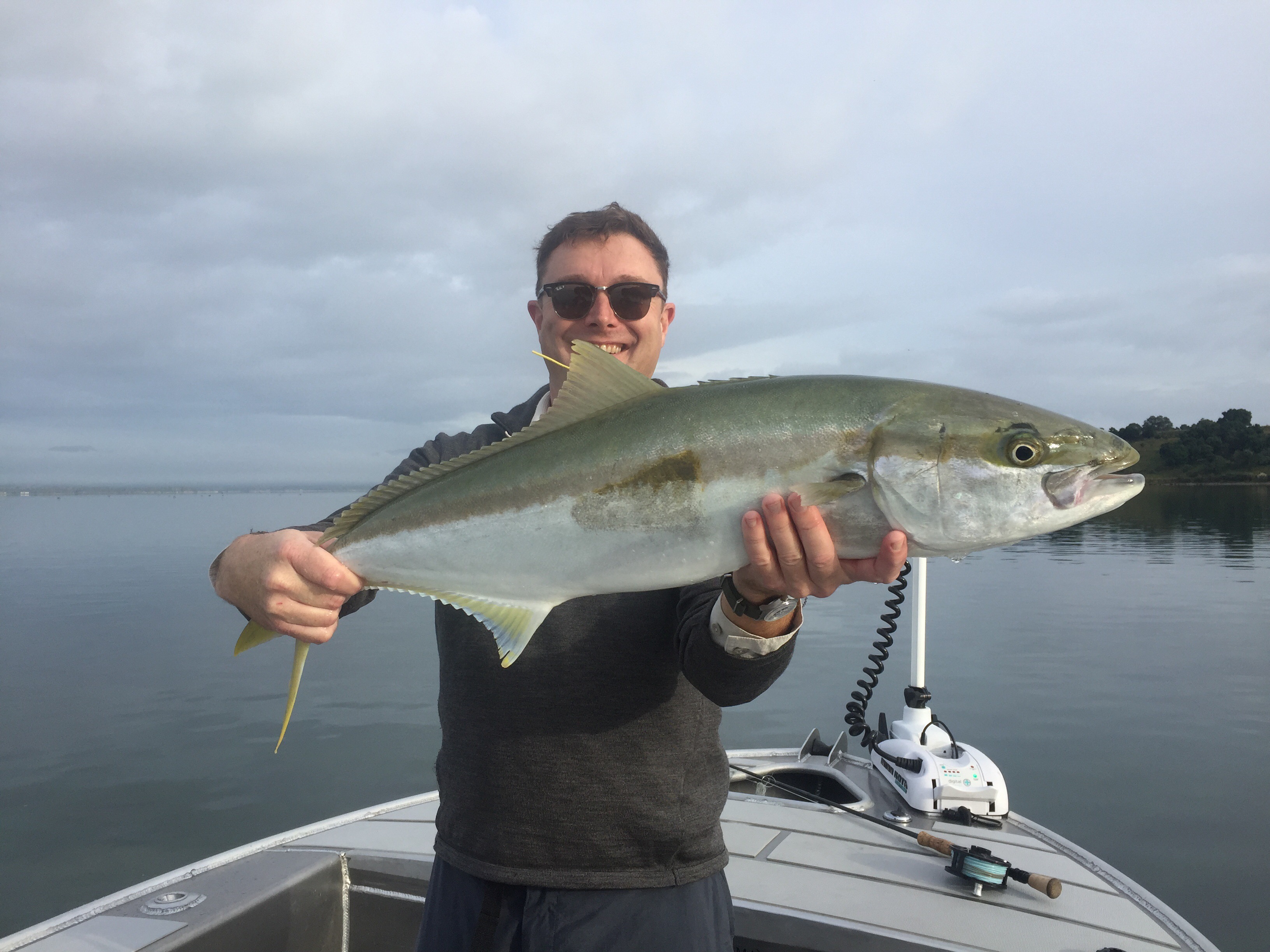

Snapper are still in force and are schooling in some really shallow water at times. The unmistakable blue glitter being a giveaway. Intermediate lines and a bit of an old school wet liners approach doing the trick with rabbit flies being preferred.

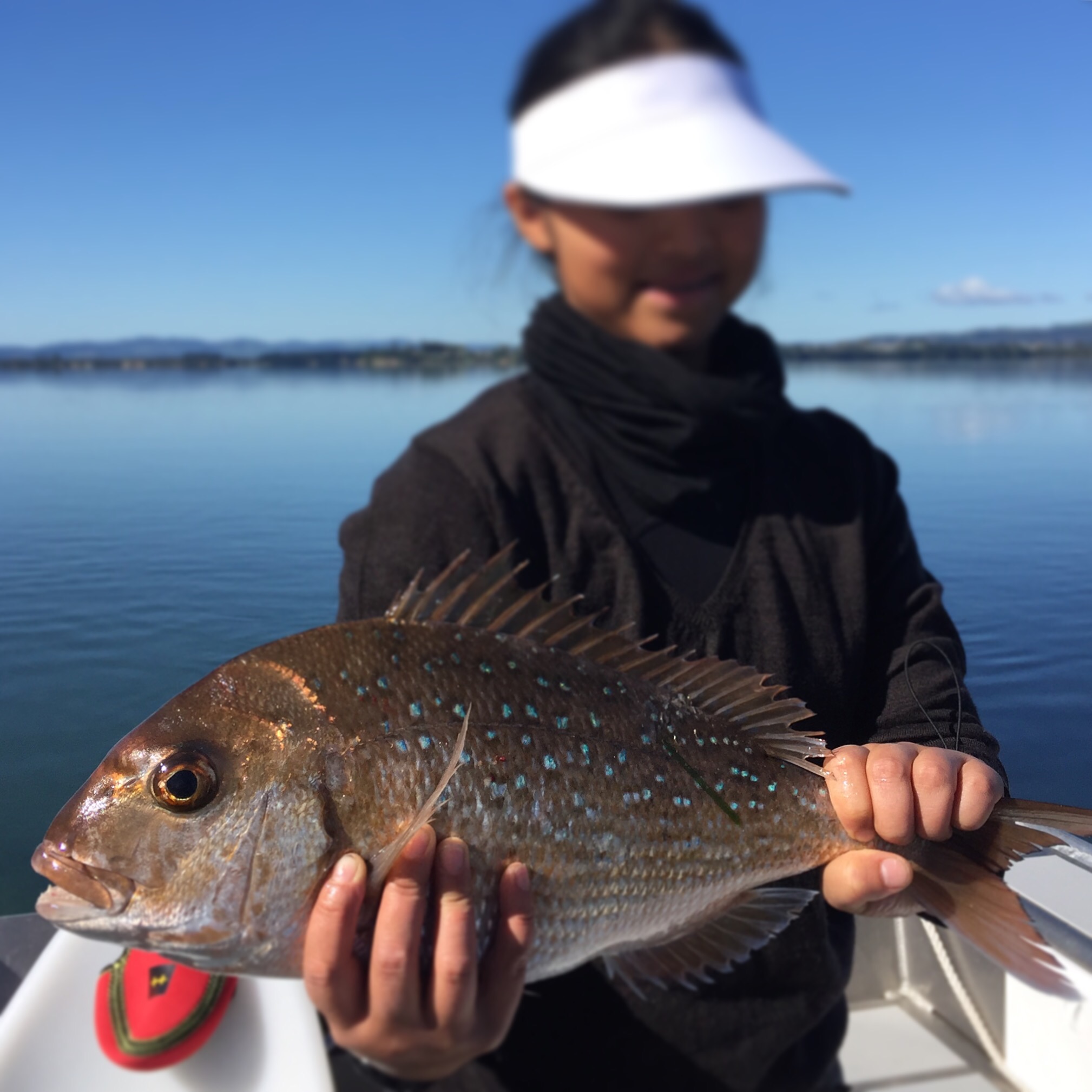

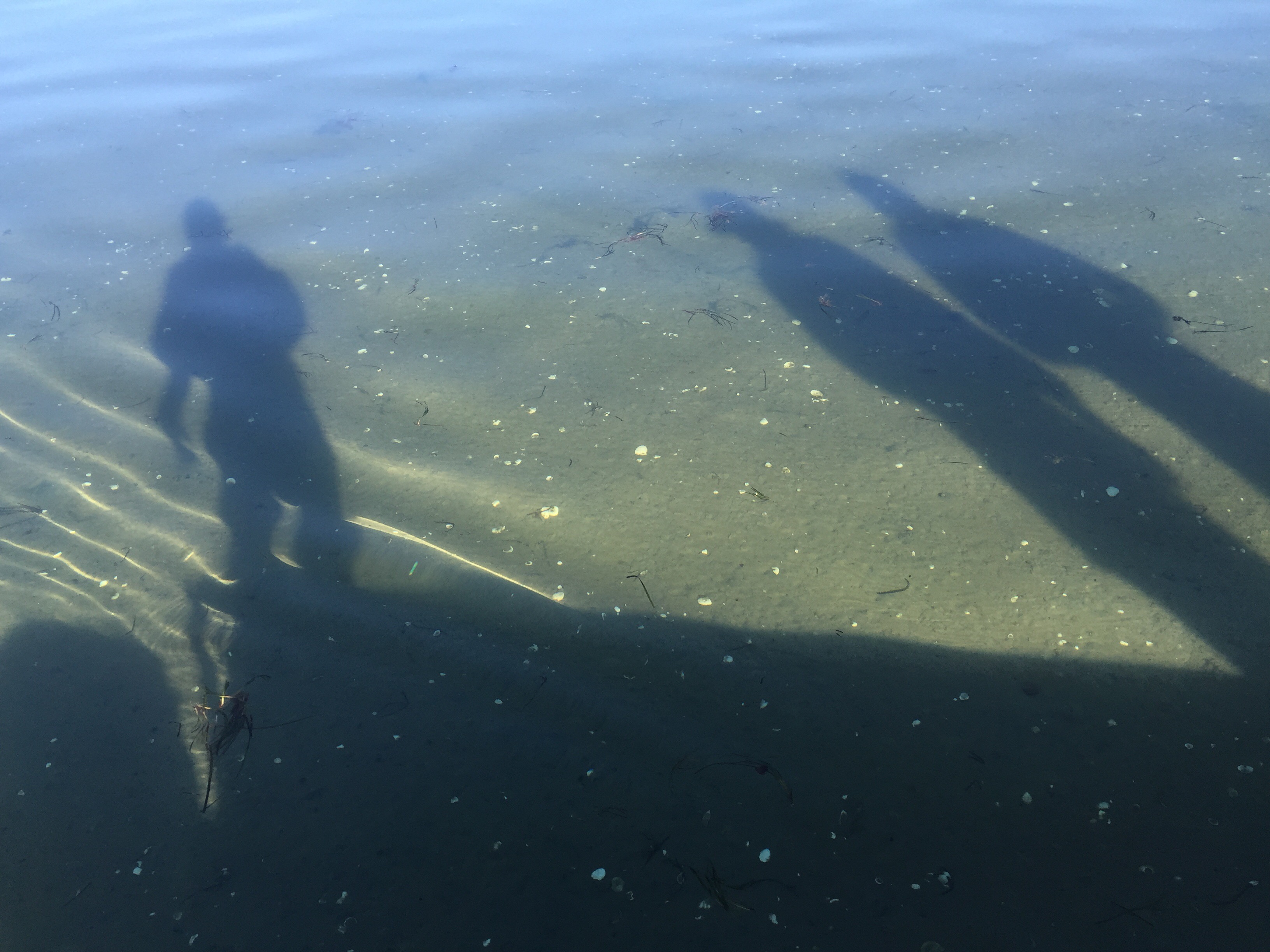
All going well and provided a massive cold snap doesn’t ruin the party we’ll be seeing a good few weeks left yet. Bring it on.


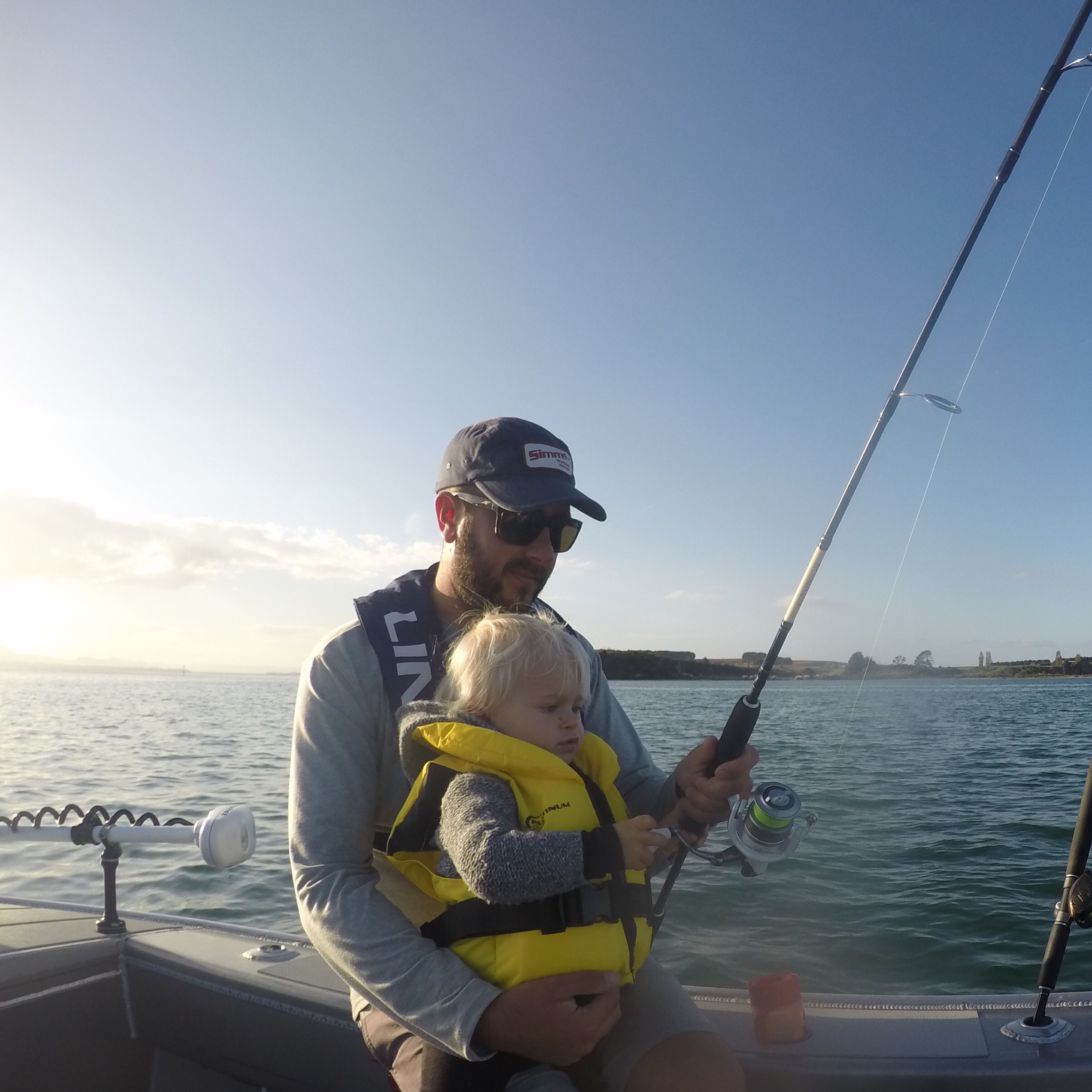


 Taurangas only local saltwater flyfishing guide.