New Zealand salt water fly flats season kicks off

New Zealand salt water fly fishing is well underway for the new season. Kingfish are hunting the shallow North Island flats again.

New Zealand salt water fly fishing season

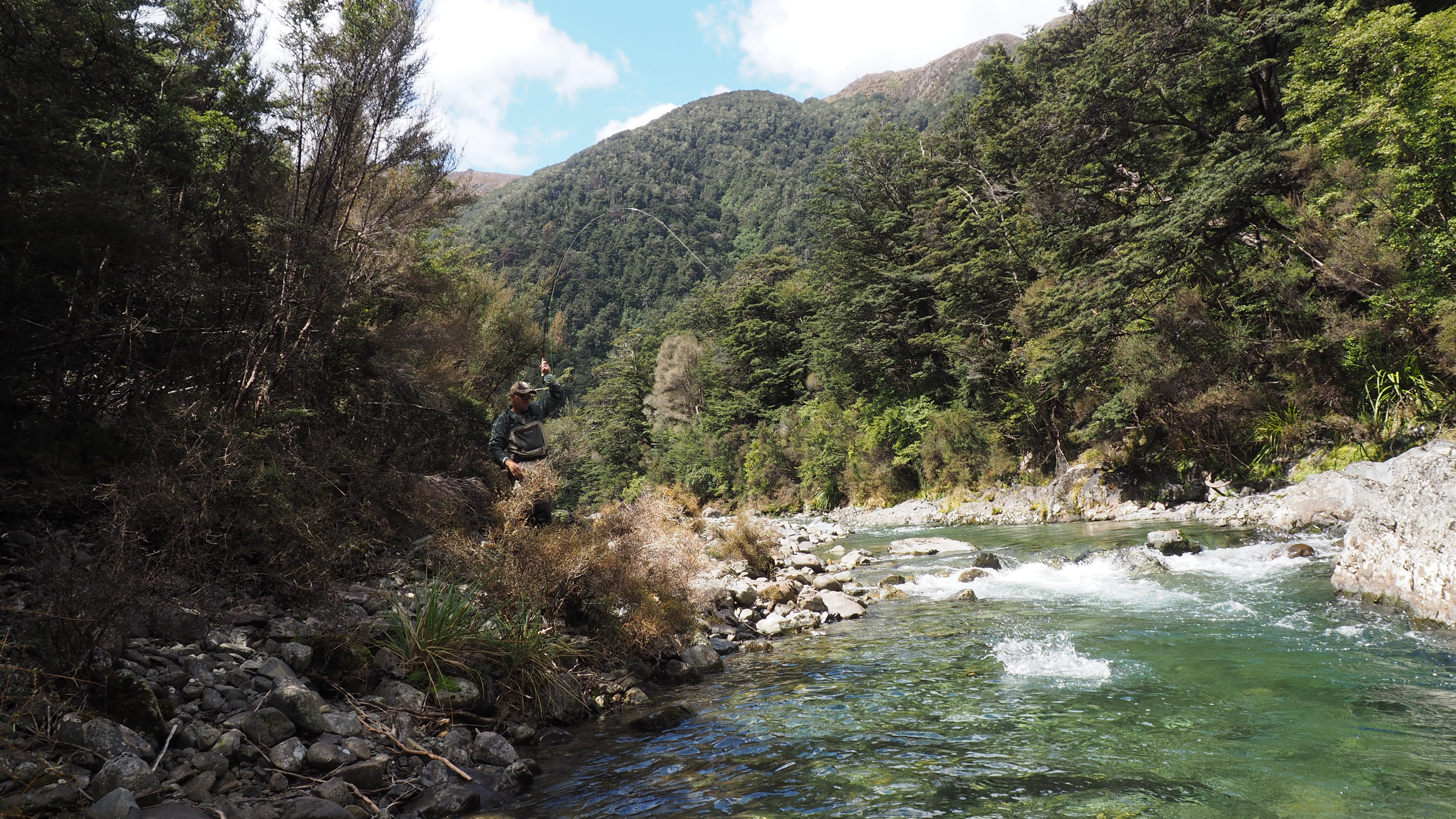
October 1st sees most New Zealand fly fishermen hauling ass into the newly opened back country for a taste of untouched wilderness trout fishing. While this was going on I was busy sneaking a few salt fly trips into Tauranga harbour between family commitments. As expected the fish were around and the spring weather was its temperamental self.

Sunset, sunrise, new zealand, fishing, salt water, fly guide
Long Bay Coromandel, NZ

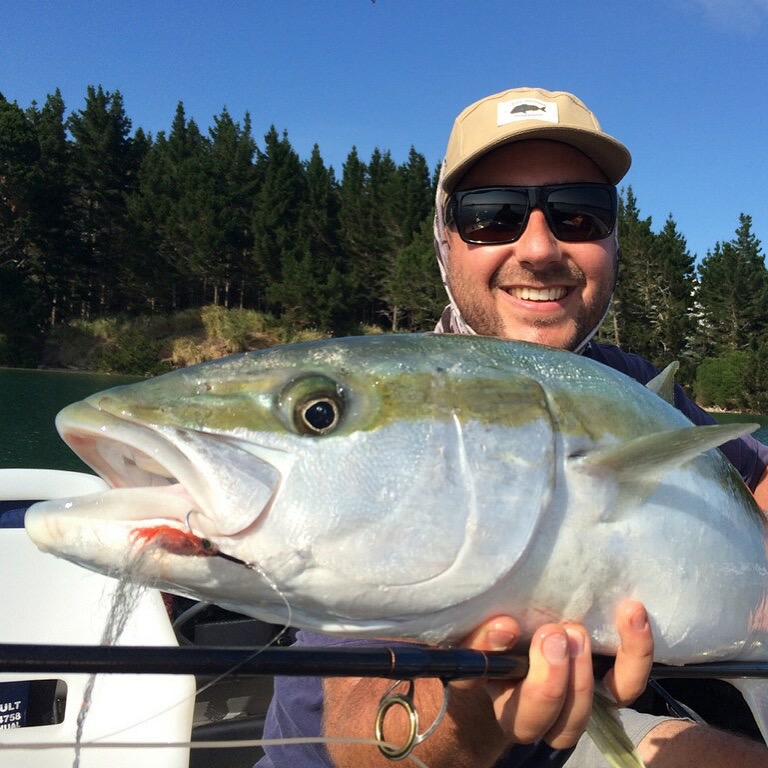
A good sign for the upcoming salt water fly flats season is a healthy start to our inshore snapper fishing, an easy target for local fisherman and ideal dinner companion. The fish come into the shallows and forage, at times just behind the breaking waves. I always enjoy a good snapper session but was pleasantly surprised when a bruiser Kingfish decided to take my 4kg outfit and give me a hell of a battle on the trout jigging gear. A perfect warm up for the start of the season.
kingfish, light tackle, new zealand, bay of plenty, tauranga
Bruiser kingfish taken while snapper fishing

Tauranga harbour flats Kingfish 

Constant westerlies keep the Bay of Plenty sea temperature around the 16 degree mark during spring. So I was pretty excited to see an easterly flow just prior to commencing my salt water fly guide season. With it comes warmer water as well as the rain. We’ve had a good dose of rain this year, with our average rainfall allowance reached by August.

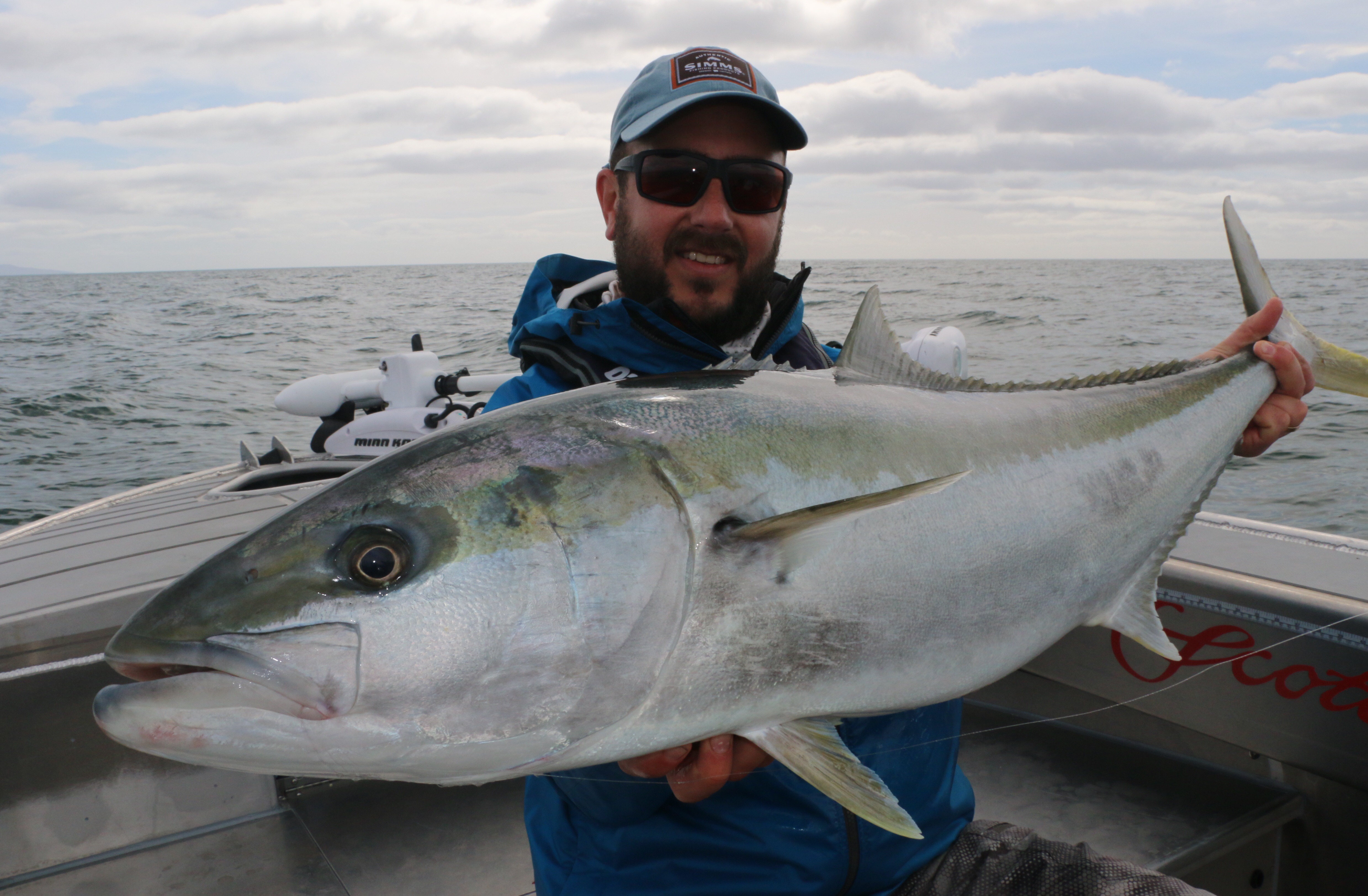
Although most of the stingrays have been unoccupied the kingfish are never far away from them, either crashing bait nearby or hanging off marker poles teasing any salt fly angler. When it all comes together things can go from zero to one hundred real quick. The sight of packs of Kingfish tailing around a stingray in shallow water was welcome after a good dump of rain recently and as expected they reacted to a well placed fly. After a few weeks of near misses, close but no cigar and dropped fish moments things are looking very promising for the salt fly season ahead.
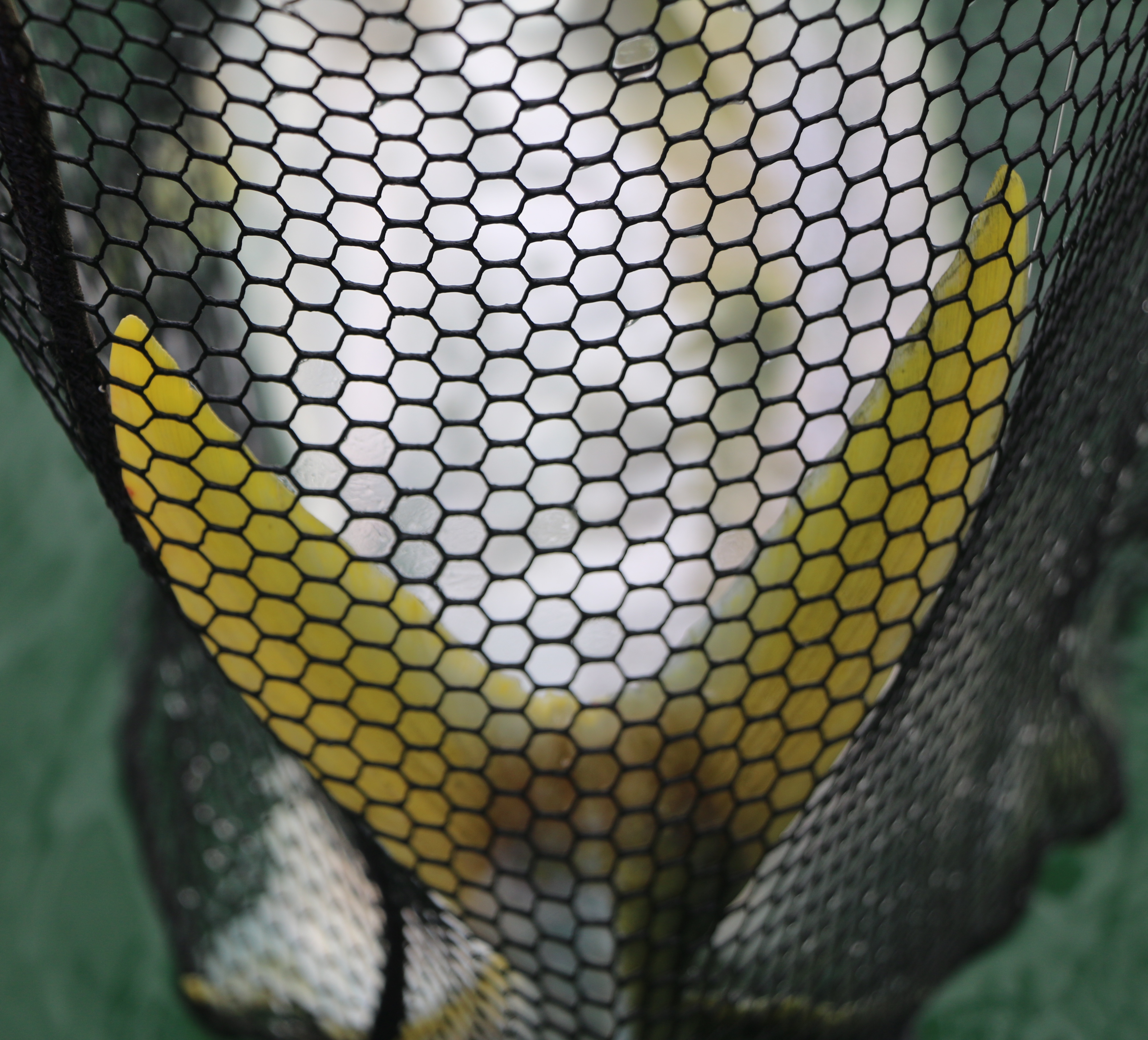
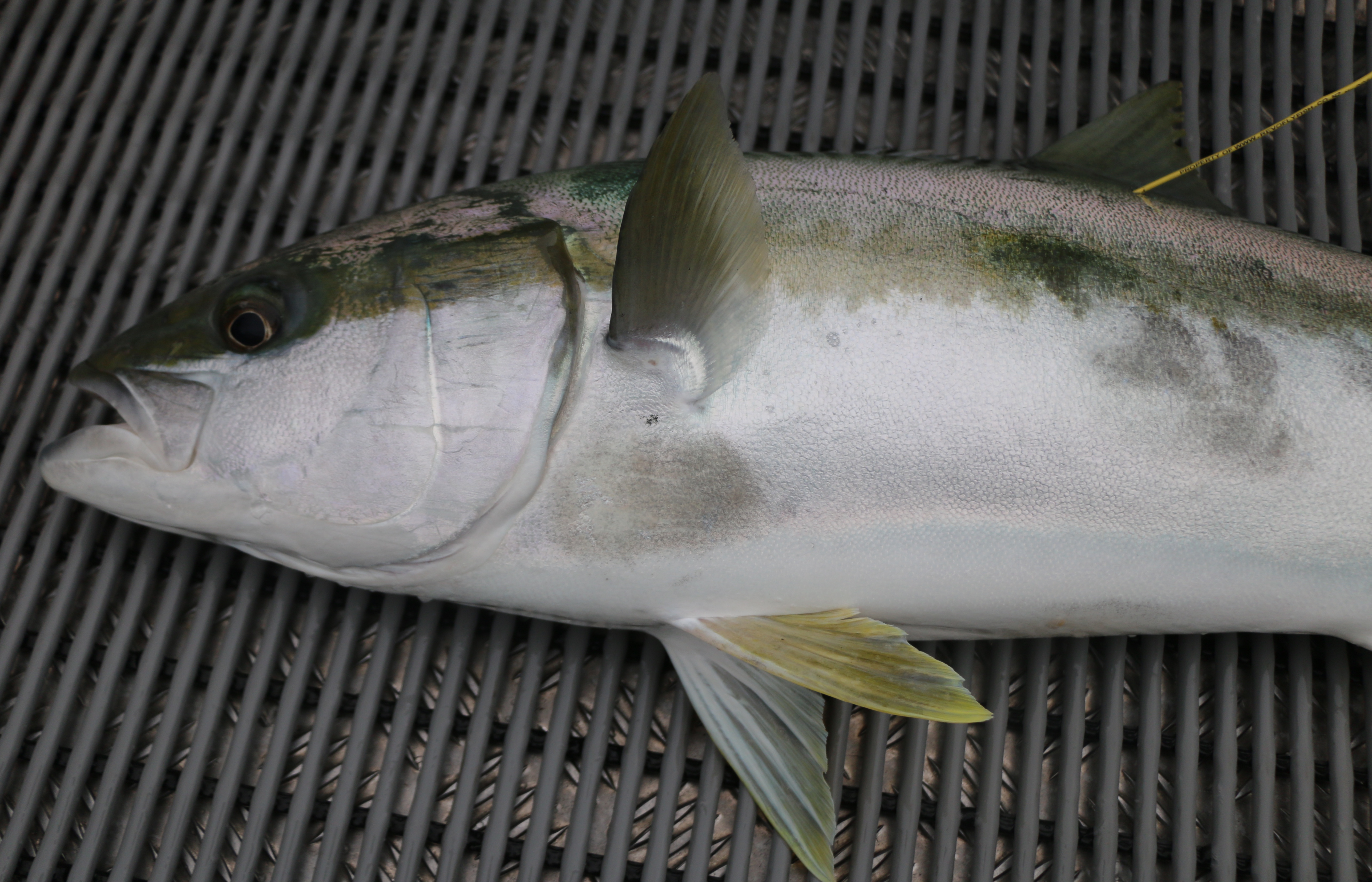
Yellow tail, kingfish, flats, bay of plenty, salt fly guide
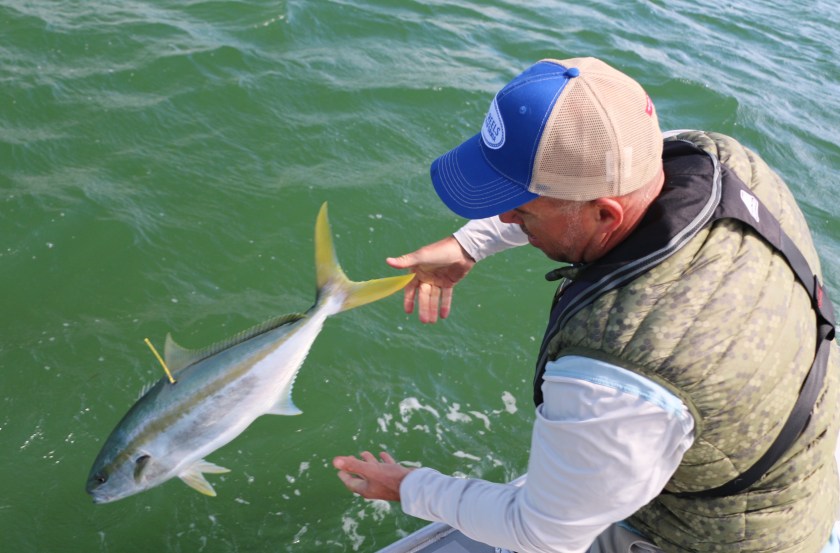
Good to see a Yellowtail in the net
Early season kingfish tend to be very well conditioned in the harbour

Guided salt water fly trips

The beginning of this season couldn’t have been written any better. After being plagued by rain (surprise surprise) earlier in the year Rob returned from Aussie to settle his score. While the stingrays were heavily outnumbered by eagle rays we pushed on. Casting poppers through some money water and a known Kingfish highway we had a savage hit and run take right by the boat. Sadly the only sight we got was a heavy set fish turning down and digging its powerful yellow tail in for a blistering run. After managing to stop the fish mid backing it dropped the hook. This fueled Robs fire further and we searched high and low for more action, sadly the other rays we saw were lonely.

The next day dawned much the same, our original plan to fish different flats was put on hold to fish closer to home and spend more time on the water. We staked out a spot and set ourselves up for ambush, much the way Kingfish behave. Soon enough 3 rats cruised right past us, they knew the game however and after two further passes they were never to be seen again.

Cloudy mornings and super shallow ray riders can’t be beat

More water was searched meticulously and by mid afternoon our eyes were playing all sorts of tricks on us. All of a sudden that 0-100 moment happened and in a sunny patch I spied a darker shape moving at a more constant pace than the eagle rays nearby. I started thinking there was no welcoming committee with this one either until a different angle revealed 3 kingfish. Our world came crashing down when a ball of cloud closed our visibility down immediately, losing sight of the traveling ray rider party.

Intuition paid off and we rejoined them 100m away still working along the contour. Flies were sent to their targets, this time met with super aggressive fish providing an acrobatic take. What followed was a stressful fight as Robs fly reel backing picked up wads of dreaded sea lettuce, leaving me scrambling to free the line and Rob trying to shorten the leash. Long story short the “Battle of Kimchi” was ours and Rob had his first New Zealand flats Kingfish in the bag. A highly prized fish and very well deserved.

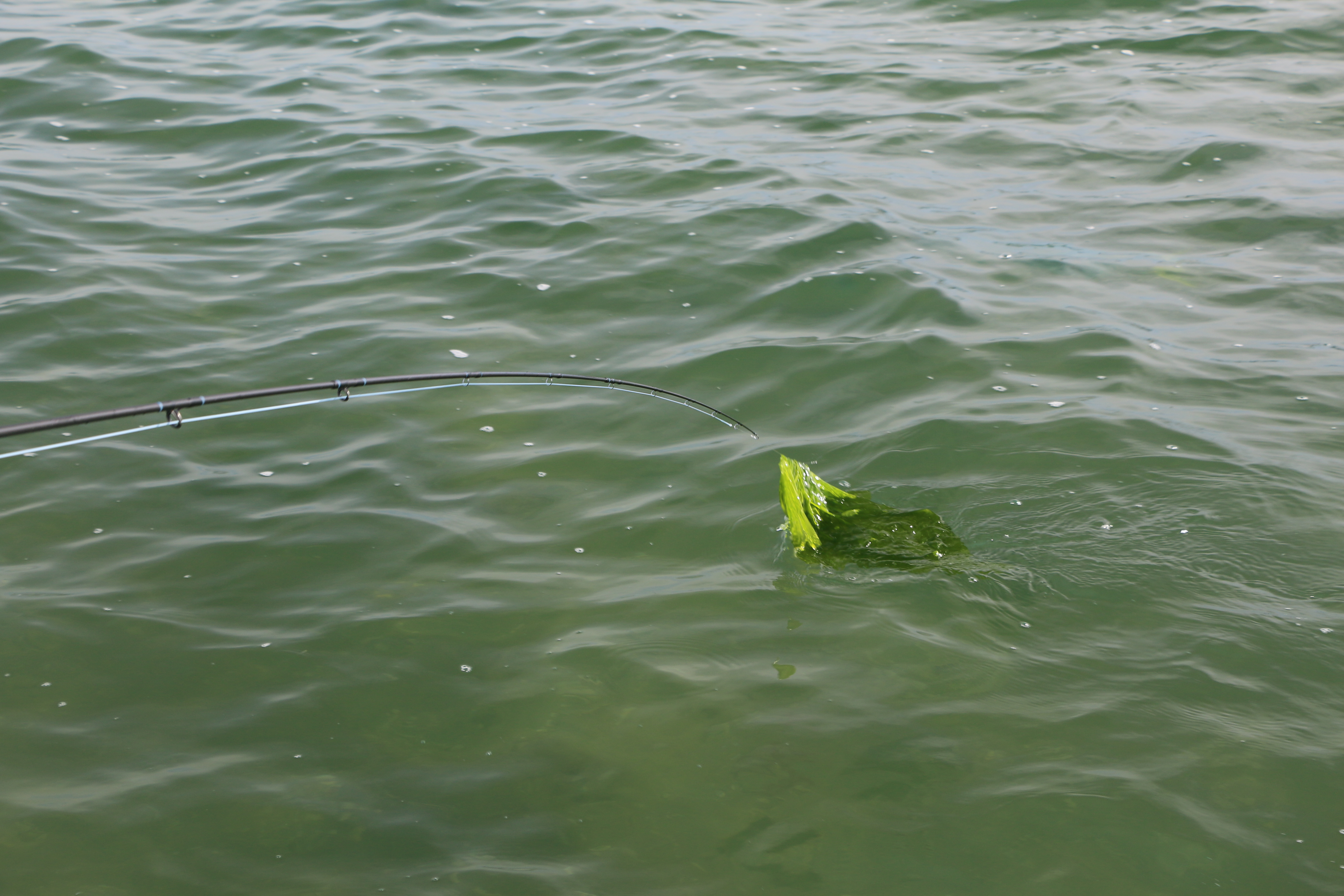
Fly line back on the reel but far from winning the Battle of Kimchi
At times we were flying multiple green flags
Hard earned fish now safely in the net
Well deserved kingfish for Rob

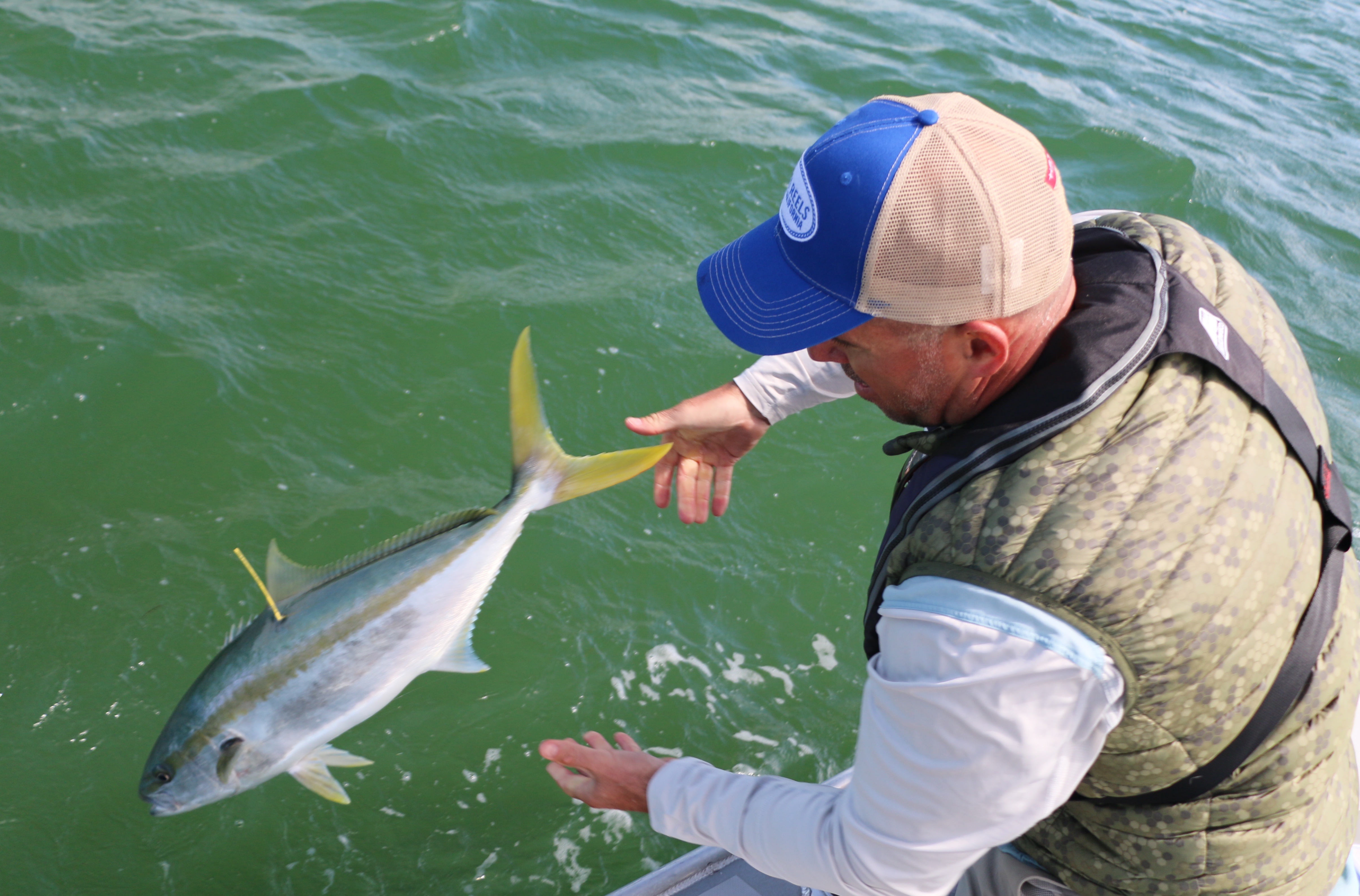
We returned to our station and resumed the drift, elation and smiles all round. You can imagine the surprise when a suspect shape was covered with a cast and a scything attack from another Kingfish. This time wanting the fly so bad it nearly ran into the boat after the initial eat. What made this fish special was seeing a tag embedded in its side. This was a Kingfish caught on board King Tide earlier on in the year. You can read more about this recapture here.
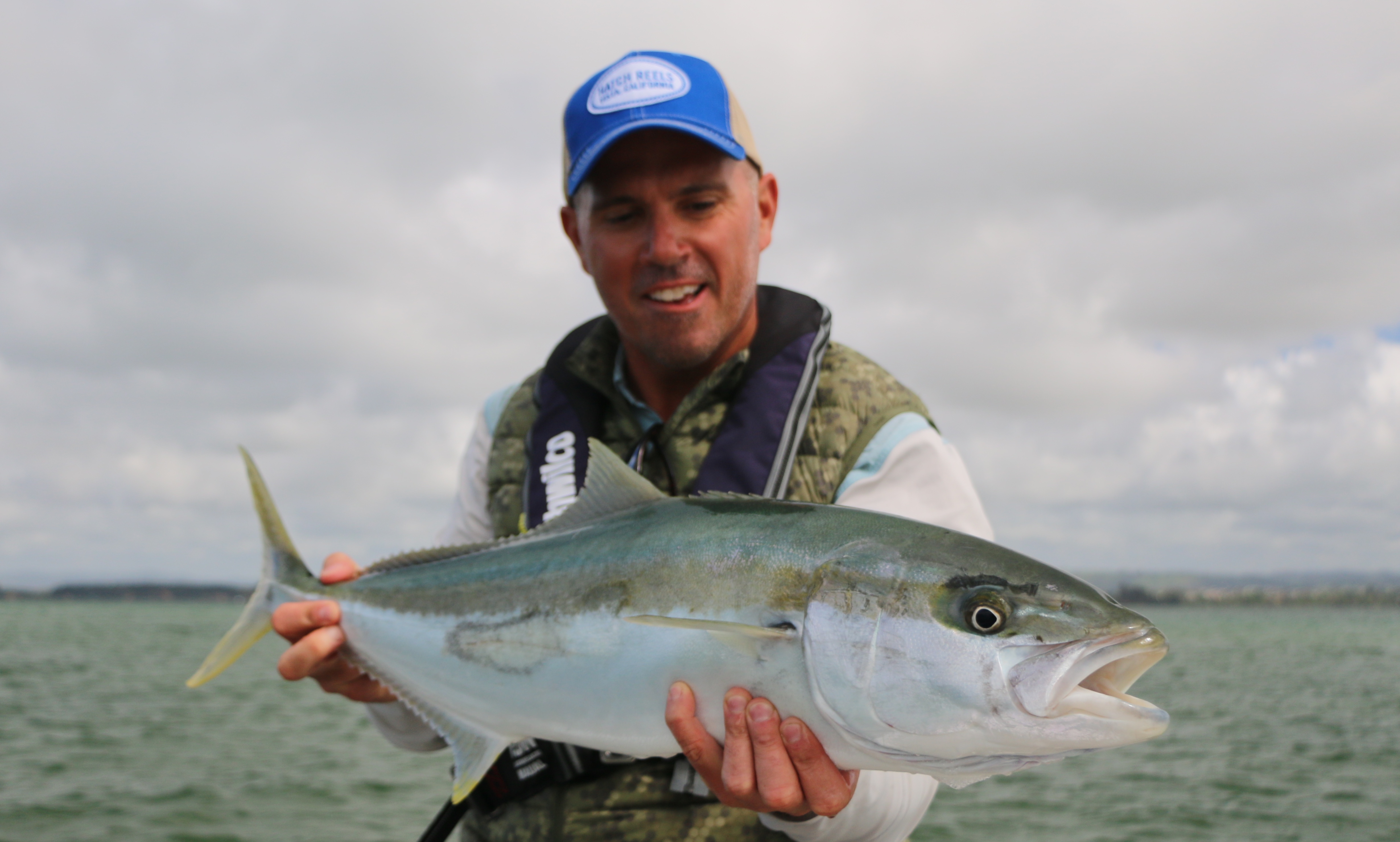
Tauranga, flats, kingfish, fly rod, salt water, fishing, yellowtail
This fish would have some stories to tell…
Tag, kingfish, fly rod, salt water, collingwood, manukau, waiheke island
A quick spear back into the channels ensures no sharks chewing on fish or angler

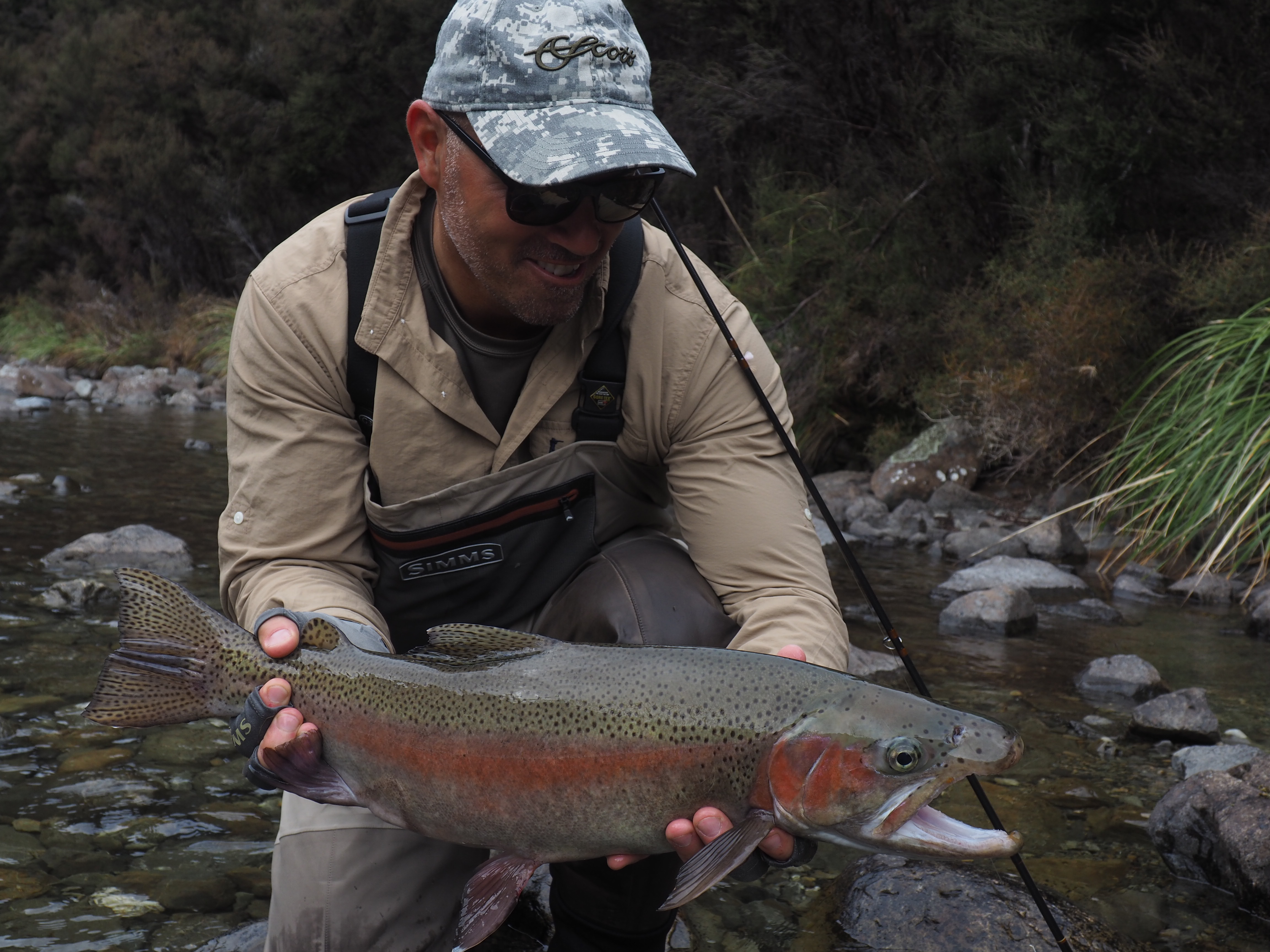
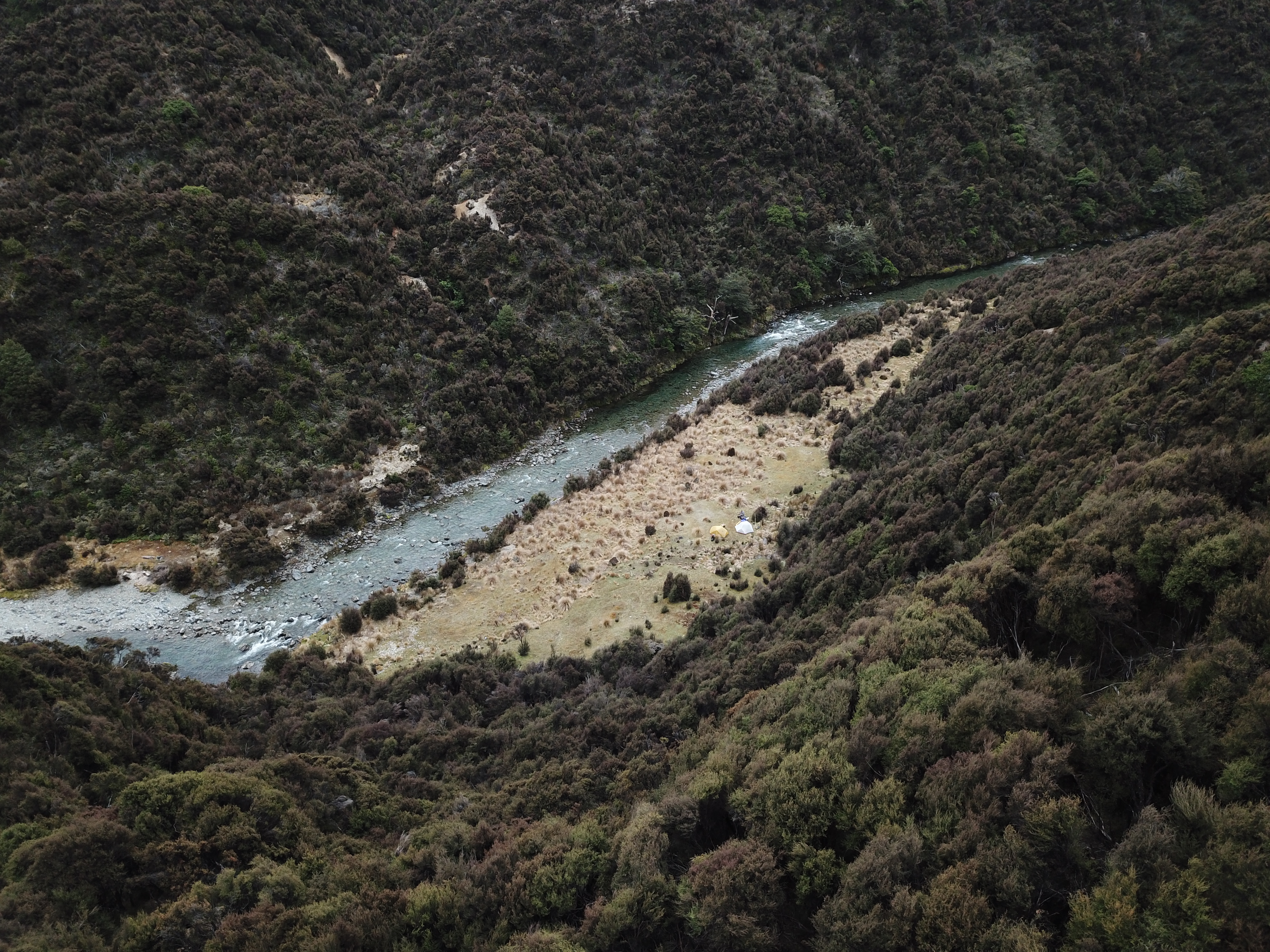
This wrapped up a great two days, certainly helped by someone who can put the casts in and persevere with “hunting” kingfish for hours on end. A quick wash up and change then Rob was hurtling down SH1 to be transferred to Marc Clinch for three days in some amazing Central North Island water. I haven’t had the debrief from the trip so can’t go into too much detail but the pictures certainly speak for themselves. This should certainly be on any fly anglers to do list when visiting New Zealand.
OLYMPUS DIGITAL CAMERA
North Island back country bow
DCIM100MEDIADJI_0054.JPG
Seriously good looking water
OLYMPUS DIGITAL CAMERA
Hooked up in paradise

The following week and after some juggling around an ominous looking low pressure system we were back on the water. John is used to water warmer than our average air temp for this time of the year and rugged up accordingly. It was good to see a ray rider after staring into the water for a long period of time, when the kingfish lit up off the stingrays back it was an even greater sight. A second cast was all it took and we had John hooked up. What followed next was a fight that the kingfish never had an inch in. This fish was destined to come to the boat whether it liked it or not, a true master class in breaking the fishes spirit and making it work every meter.

Precision control had the fish beat in short order
Smiling assassin
A first salt fly flats kingfish for John

Things are certainly looking like a boomer season on the New Zealand flats and the salt fly action is set to heat up. Click this link to make contact and arrange a day out chasing the ultimate sports fish on fly.
Flats kingfish recapture 

The Tauranga harbour Kingfish season has been bubbling away for a few eager salt water fly fishermen. It was a special moment when Aussie angler Rob hooked a ray rider Kingfish on the flats earlier this week.

Tauranga, flats, kingfish, fly rod, salt water, fishing, yellowtail
Rob Alfeldi and his prized Tauranga flats kingfish

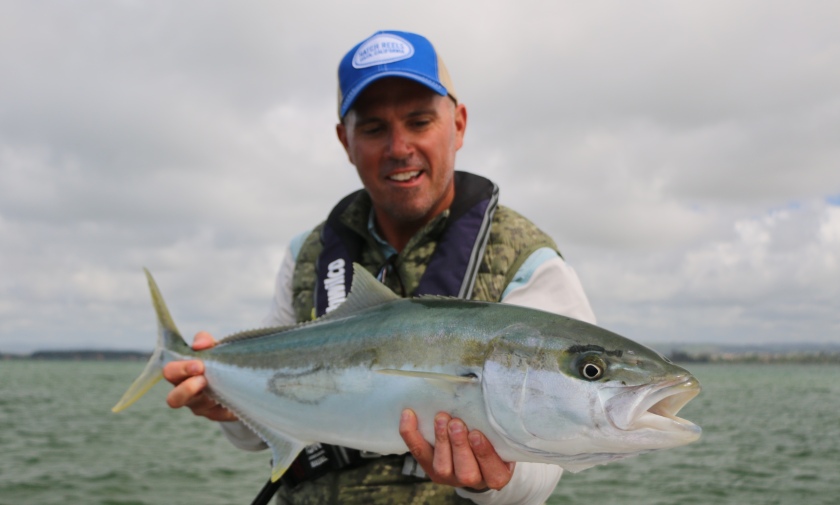
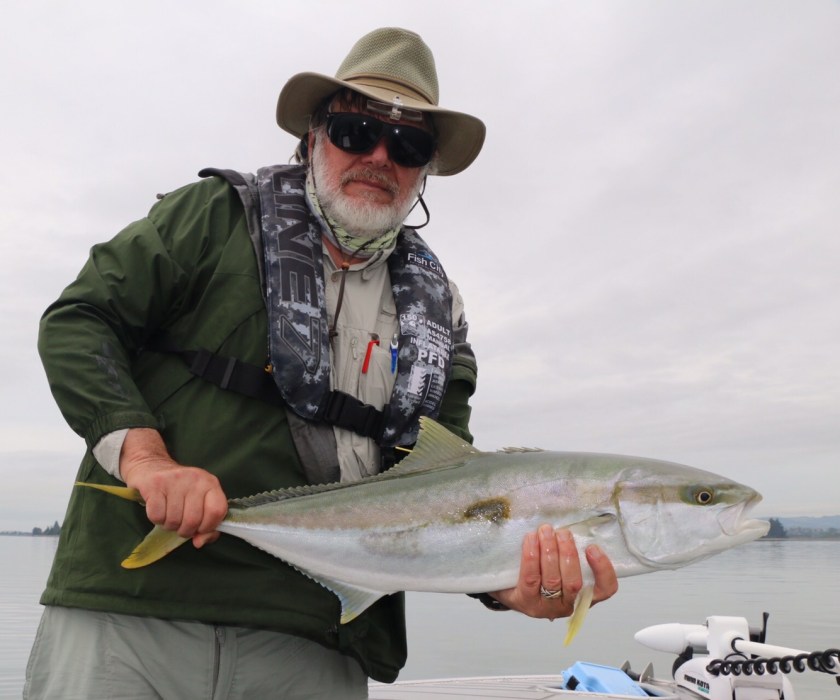
What made it even more poignant was that this fish had a tag embedded in its side from earlier in the year . Back in March I was joined by Jim Hanley for a morning prior to a storm front rolling in. We had a glass calm flat with bow waves and tails showing themselves wherever we looked. Needless to say he caught a few yellowtail kingfish on fly that day.

Kingfish, ray rider, tag, salt water fly, tauranga, bay of plenty, new zealand
Jim displays his tagged kingfish from March 2017

What this fish has done over winter will remain a mystery but it’s appearance this week was very welcome.

Kingfish tag details

  • Time at liberty: 238 days
  • Growth: 6cm
  • Distance: 5NM
  • Grew an eyebrow

We are finding more interesting info as these data returns come back to us. The importance of looking after these smaller sports fish and maintaining their population for generations to come should not be overlooked.

Tag, kingfish, fly rod, salt water, collingwood, manukau, waiheke island
Rob sends another tagged kingfish back to carry on hunting the Bay of Plenty waters.

At this stage it seems each region has a slightly different story to tell, most likely in accordance with environmental factors such as water temperature and quality determining fish movement. New Zealand’s key salt water fly fishing destinations of Waiheke Island, Collingwood, Tauranga and Manukau harbours are covered by the tag a king on fly program and we expect to see more recaptures this season adding to the data bank.

If you are lucky enough to land a previously tagged kingfish please treat it carefully, ideally get tag details – a close up picture is easiest and fastest. Measure it along your rod and return it to the water promptly. If it’s legal maybe even think twice about keeping it, the story about the goose that lays a golden egg is a perfect analogy.

Connections – Backing > Fly line

Winter is a great time to sneak out for the odd decent day of fishing but it’s also a time to service gear, prep rigs, tie flies and think about your plan of attack for the coming season. 

Something that came to light while changing fly lines recently was how many shitty backing to fly line connections I’ve seen. There’s no denying powerful fish need strong connections.  

Marc Clinch about to hear his backing knot sing.
Strong fast runs see the backing knot tested rigorously.

My flats Kingfish assemblies tend to step down from 60lb fine diameter backing to fly line (approx 35lb) and ending with around 20-30lb straight section of fluoro leader. This is to help avoid losing fly lines but also try to prohibit fish carrying excess line around if they bust free (barbless hooks should also get a mention for this reason). 

At a pinch you can double your backing and make a doubled Bimini loop. This has twin loops and is better than a single strand which can bite into a fly line.   

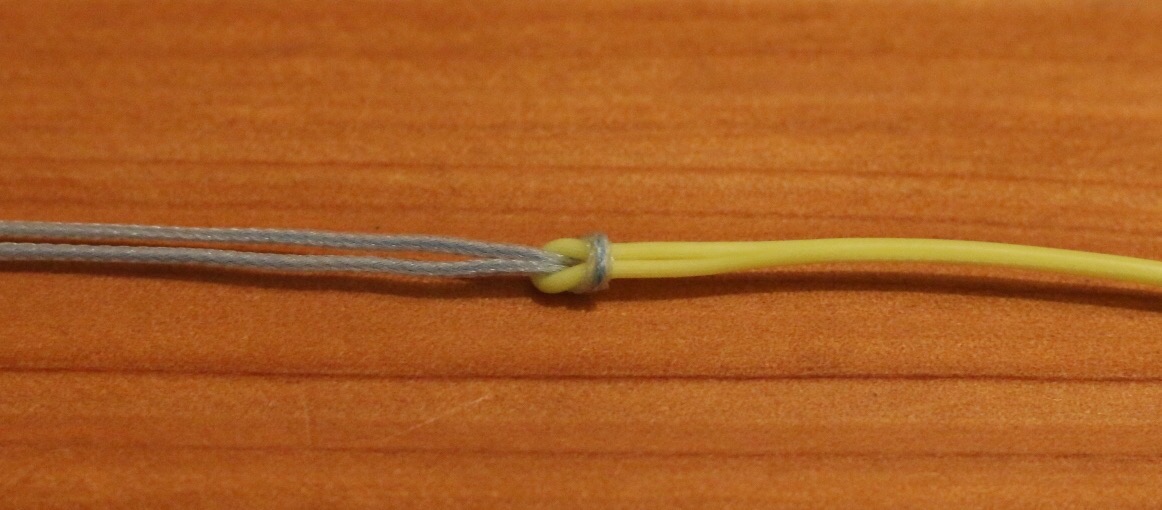
My favourite is to create a sleeve of braided 50lb mono and use this as the load distributor through your loop-loop connection. The steps below should get you underway and have more confidence in your connection as it sings out the guides. 

All the tools you need for this connection

  • Cut a length of braided mono to make a loop big enough to pass your reel through – this makes changing lines easier if you need.
    Braided loop should be big enough to pass reel through.
     
  • Pass backing through braided mono and leave tag end of 50cm 
  • Thread whip one end of mono. Give it a light dab of super glue and roll in fingers to absorb. 
  • Smooth the mono tightly to the other end, ensuring no slack. Repeat whipping/gluing. 
  • Now double the backing up to form your mono sleeve loop. Make the two whipped ends slightly offset – this should help taper the transition of finished knot. 
  • Plait braid back down onto the mono whipped tag ends. Start far enough up from mono ends to create a 4-5cm plait. 
  • Once you reach mono start half hitching, using opposing hitches. These should start to trap the braided mono. 
  • Work hitches down until you’ve covered previous whipping and secure tag with a rizutto finish. 
  • Cover knot with Loon soft head or similar flexible glue. 
    Tied, glued and dried. Ready for a beating.
  • Allow to fully dry, nothing worse than winding fly line on and discovering you’ve glued it to your backing knot!
  • Attach fly line by passing backing loop fully through fly line loop then passing reel through large backing loop. Finished connection should resemble a reef knot. 
    Finished loop to loop connection.

Some useful knot links. 

Plait – https://youtu.be/2uUWS7dzOn0 NB: stop at 1:20 mark, don’t use finishing knot in video. Start hitching instead. 

Rizutto finish – https://youtu.be/H09wT8r8dC8

That’s a wrap

That’s a wrap. A term used to signify the closure of an event or season. But since Tauranga’s season doesn’t seem to be quite over I’ll apply the phrase to those pesky tail wraps some larger fly patterns tend to acquire. 

Over time my top fly patterns have been developed and adjusted to suit the many factors required in everyday fishing. To me durability, practicality, castibility and some other key assets are always top of the pile. 

Tail wraps are a (insert cuss word here). While they can’t always be avoided they can be mitigated during the tying process and best avoided with some slick casting. 

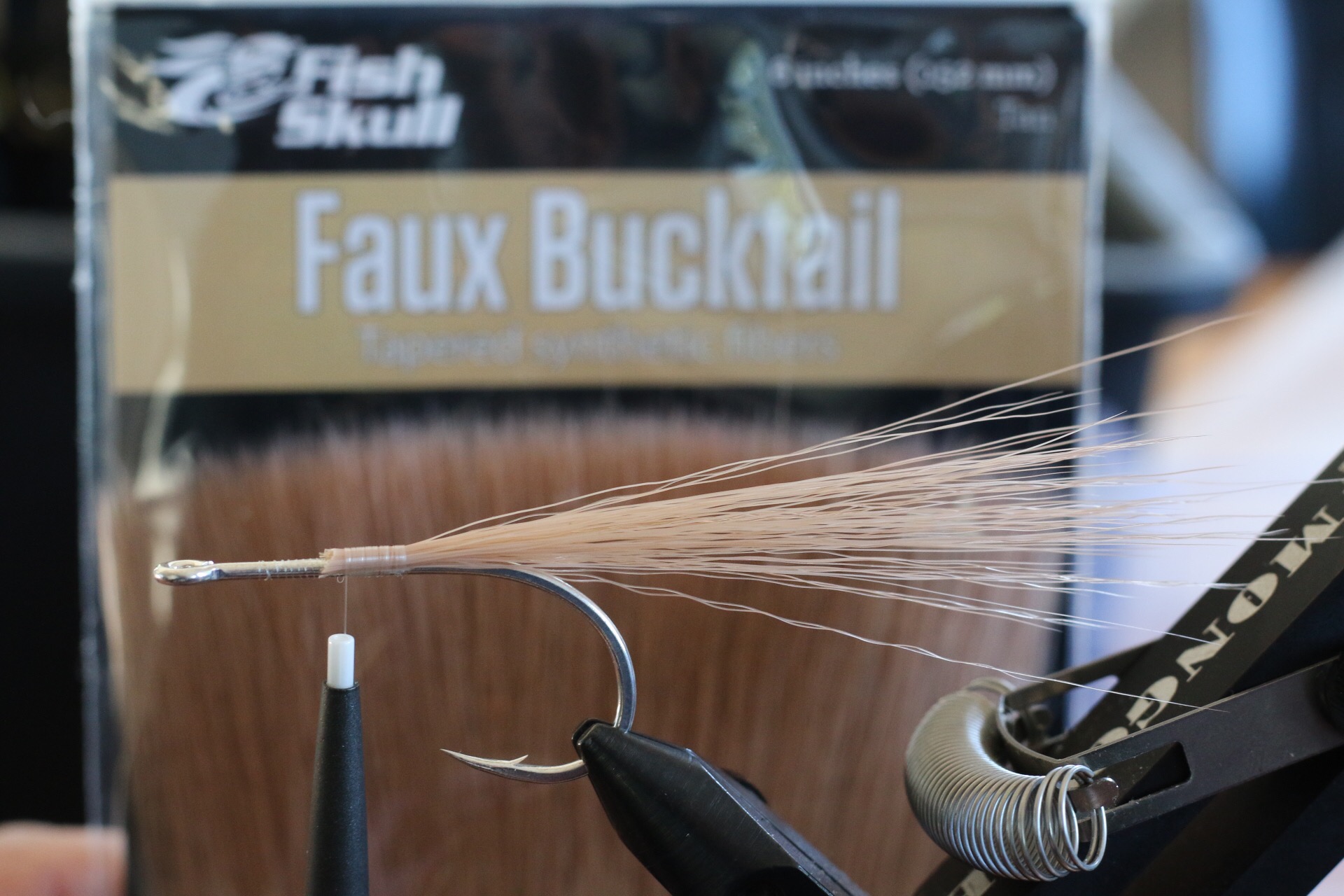
Something I’ve found key is to build an internal core that will support the more supple fibers without compromising movement. Faux Bucktail is now a firm favourite for this task. A few thread wraps tucked under the fibers near the bend or solely around the fibers themselves adds to the value. 

Faux Bucktail, the best thing since sliced bread
SF fibers perched upon Faux Bucktail ready for more layers

Building heads that hold their shape also allows the fly to keep itself in order. Anything more than a third of total length may prohibit action so be mindful of this and also not restricting the gape of the hook. 

I’ve been a huge fan of Loon Soft Head for this purpose for a long time, recently I’ve tried Plastidip also and found this to be just as good. Although it takes a while to prep and better suits finer material. A light head of Senyos Lazer Dub will be enough to cover the other synthetics nicely and bind the adhesive better. 

The water pushing head and initial air trapped inside the front cone will get the attention of any super predators nearby. Nothing says eat me like the noise of a bubble trail. 

Masked eye and hook ready for a spray

There’s other tricks out there also such as building mono tail guards and using shorter tails so it is really a case of finding what suits your fly. Another quirky trick I picked up while twiddling a fly cruising the flats is the dreadlock theory. As most of the flies I tie and use are synthetic they can be twisted at the tip to lock the fibers up a little and stop wayward hook wraps

Dreadlock the tips, great time killer while on the water
Finished product ready to swim

With all these things now going in your favor it leaves more time for fishing and less time untangling or even worse throwing twisted, matted flies away. 
The countdown is on for the new season now, although there’s still a few to be caught between low pressure systems. With 16c water and lots of bait it comes as no surprise there’s still a few stragglers about. 

Dealing with rejection

Just a handful of reasons you may have suffered in the hands of the fishing gods.

At some point in your life you’ve had to deal with rejection. How you go about dealing with it is your business, but one thing is – if you don’t pick your own self up you ain’t never going to learn from it.

Therefore I’ve put together a few little snippets on making a rubbish situation a little more bearable and maybe even turn it into an eat. And also help me get through the flats drought over winter.

Kingfish are by and large a cunning predator. They are on top of their game and one day will be terrorizing bait relentlessly, the next day scrutinizing every single fibre on your fly. So as a rule of thumb for these days I’ll fish as natural as possible. Muted colors and minimal bling can still turn them on. Otherwise “if you can’t catch em, piss them off”! Bright, bulky and loud being the modus operandi here.

Big, loud and bright. Small, natural and subtle.
Those follows… Heart stopping, time seems to slow right down as they meander along behind your fly. One kick of that yellow tail will see them overtake it but they’re content on just following. You run out of line, now what? Get that fly out of the water, no point educating the fish more than it need to be. Wait for them to turn then flick the fly into their exit path – departing body language will dictate if they eat it or not, just remember to make the fly move straight away. You can also try changing your retrieve but bear in mind you can’t out strip a kingfish.

Eat it you f*%ker!

A few points about these precious few seconds boat side. Don’t look them in the eye, keep very still, no pointing at them and yelling eat the f*%ken fly. Keep the rod still and away from overhead. In fact just ignore the bastards and wait for your next shot, almost as they disappear from sight or at your casting range limits are best bets.

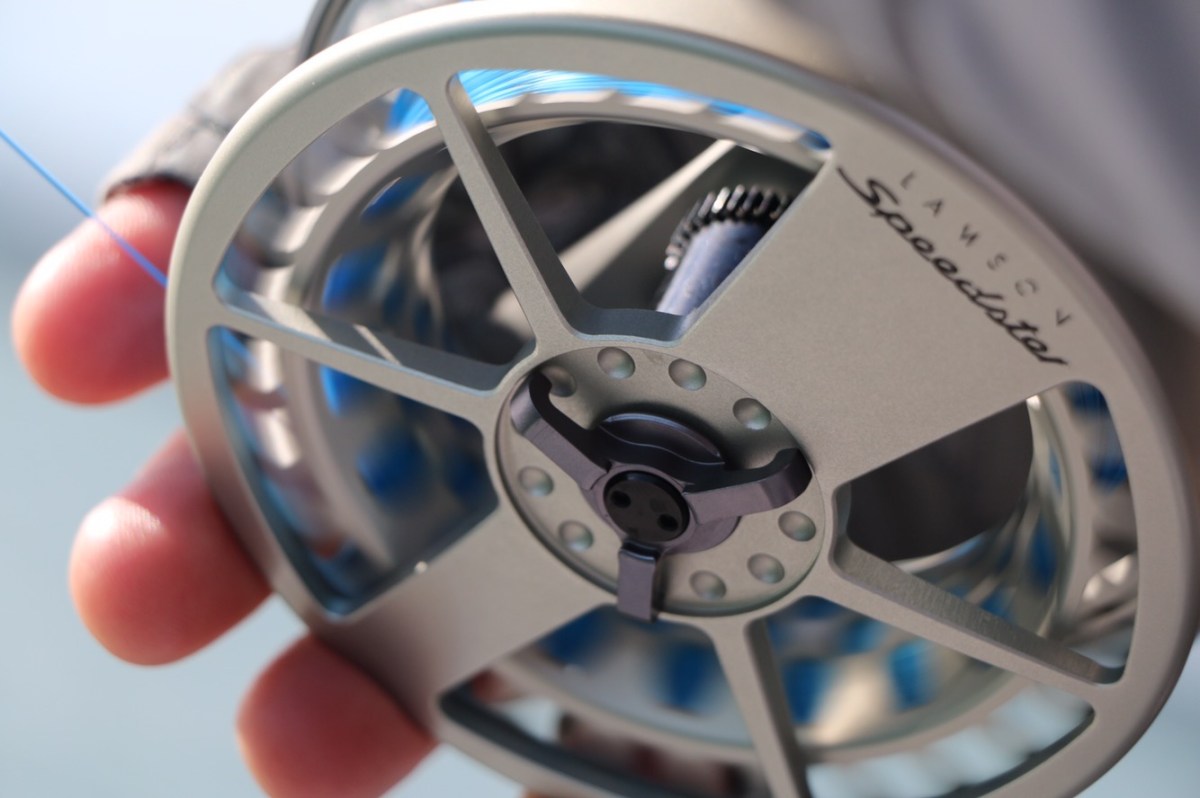
Gear failure sucks big time. Buy the best gear you can afford and keep it in great condition. Saltwater is a reel killer and a water/bomb proof drag is highly recommended. Retie suspect and overworked knots. Research the best connections for each stage of line join and practice them over and over again. And when you’ve mastered that find an even better way to do it…

Sometimes however it just doesn’t go to plan. My mate Andrew Marshall got backlashed on a big kingfish a few years back (keep the drag set, not undone after stripping line off). The monstrous surface take and sound of that fly line snapping as it came tight was epic and forever etched in our minds. All these little lessons serve a purpose to strengthen your resolve, if you’re not learning something from it then get an easier hobby.

Quick re rig and time to ponder the big kingfish that just destroyed a fly line.

Most people don’t eat meals all day long, same applies to fish. Perhaps a smaller portion will be snapped up more readily. This is a good time to mention bite times and solunar activity. Keep an eye on these you’ll be pleasantly surprised when the fish activity correlates to these times, even if it is just a brief window.

And finally the worst of all, blanking! You’ve worked hard all day, covered all your spots and tried all your tricks. Best to go home, clean your gear, curse the fish and have a beer (in no particular order, but if you’re really clever you can do them all at once). Strip things back to the basics and think how you can do better. Often keeping things simple will take the clutter out of your head and fishing. Leaving you free to chase fish, not faff around distracted.

IMG_4310
3 days of searching, blanks and refusals ended with this in the dying minutes.

Cheer up dude. At least the old man caught something.
 

Even the best of the best have had a shit day or two. Just bear that in mind next time you find yourself raging in a bad way. Tomorrow’s another day.