That’s a wrap

That’s a wrap. A term used to signify the closure of an event or season. But since Tauranga’s season doesn’t seem to be quite over I’ll apply the phrase to those pesky tail wraps some larger fly patterns tend to acquire. 

Over time my top fly patterns have been developed and adjusted to suit the many factors required in everyday fishing. To me durability, practicality, castibility and some other key assets are always top of the pile. 

Tail wraps are a (insert cuss word here). While they can’t always be avoided they can be mitigated during the tying process and best avoided with some slick casting. 

Something I’ve found key is to build an internal core that will support the more supple fibers without compromising movement. Faux Bucktail is now a firm favourite for this task. A few thread wraps tucked under the fibers near the bend or solely around the fibers themselves adds to the value. 
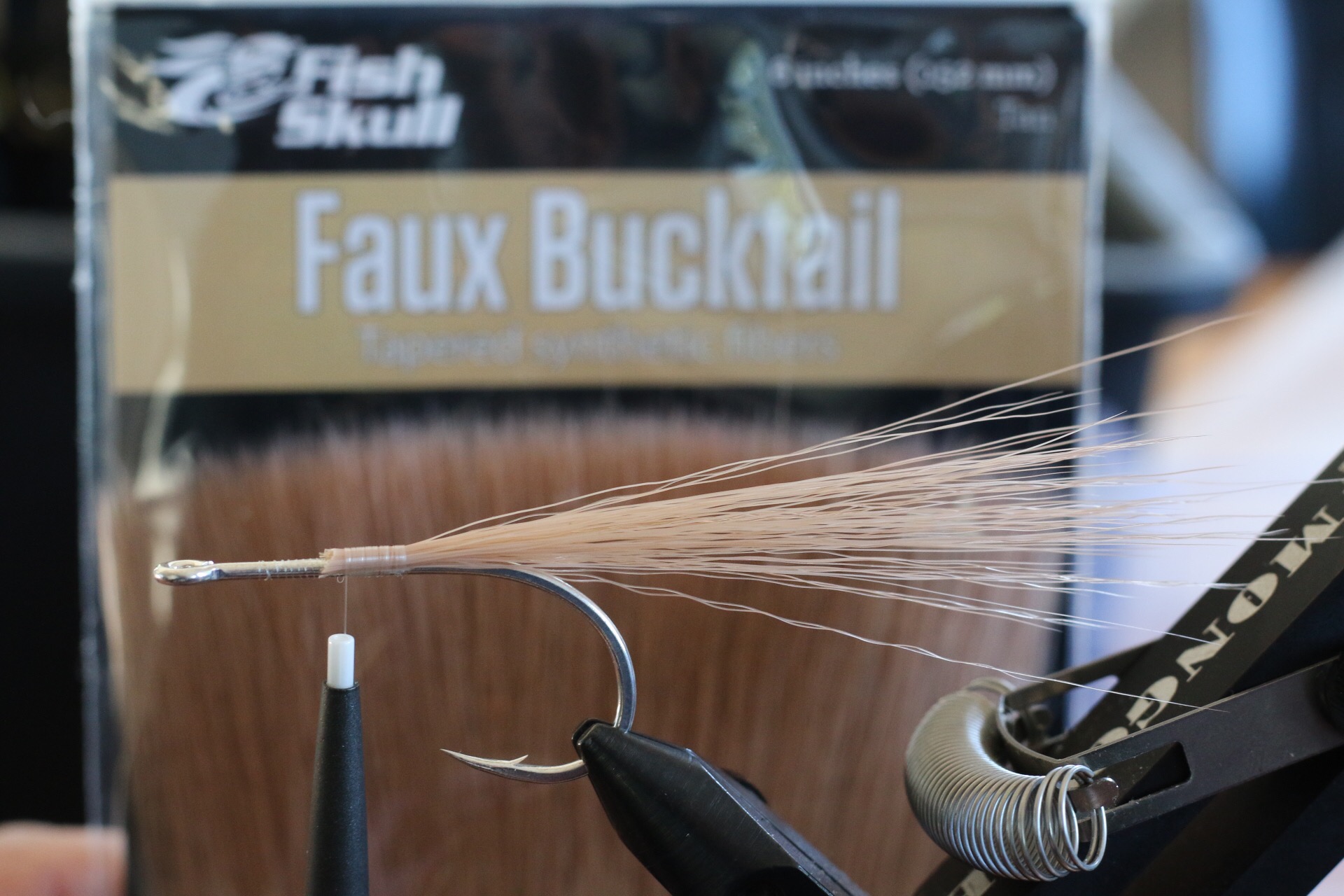
Faux Bucktail, the best thing since sliced bread
SF fibers perched upon Faux Bucktail ready for more layers

Building heads that hold their shape also allows the fly to keep itself in order. Anything more than a third of total length may prohibit action so be mindful of this and also not restricting the gape of the hook. 

I’ve been a huge fan of Loon Soft Head for this purpose for a long time, recently I’ve tried Plastidip also and found this to be just as good. Although it takes a while to prep and better suits finer material. A light head of Senyos Lazer Dub will be enough to cover the other synthetics nicely and bind the adhesive better. 

The water pushing head and initial air trapped inside the front cone will get the attention of any super predators nearby. Nothing says eat me like the noise of a bubble trail. 

Masked eye and hook ready for a spray

There’s other tricks out there also such as building mono tail guards and using shorter tails so it is really a case of finding what suits your fly. Another quirky trick I picked up while twiddling a fly cruising the flats is the dreadlock theory. As most of the flies I tie and use are synthetic they can be twisted at the tip to lock the fibers up a little and stop wayward hook wraps

Dreadlock the tips, great time killer while on the water
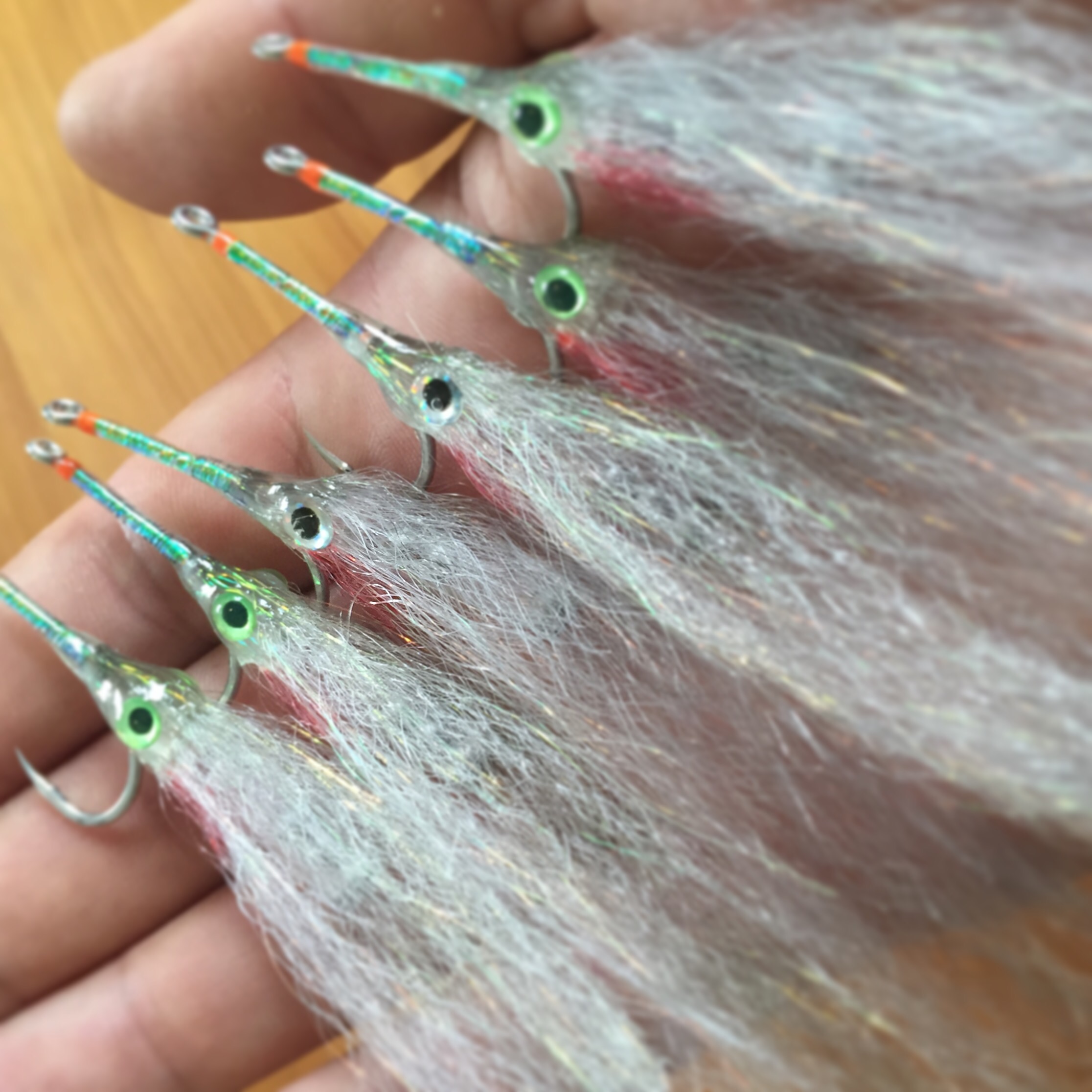
Finished product ready to swim

With all these things now going in your favor it leaves more time for fishing and less time untangling or even worse throwing twisted, matted flies away. 
The countdown is on for the new season now, although there’s still a few to be caught between low pressure systems. With 16c water and lots of bait it comes as no surprise there’s still a few stragglers about. 
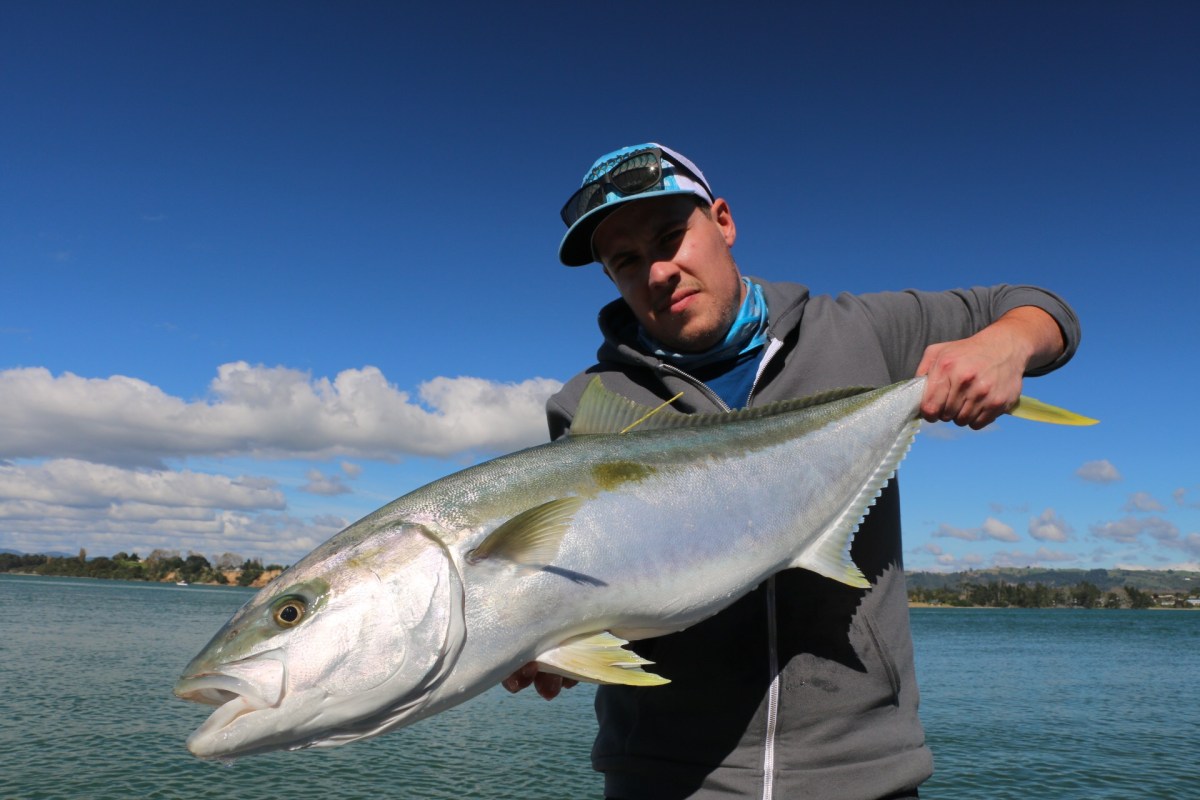
King Tide Salt Fly – Autumn 2017 Wrap up

Short edit of some Autumn salt fly action in Tauranga Harbour, New Zealand

Sorry for the lack of posts lately. Seems adding another child to the litter makes time slip away all to easily. We’re winding the season down now with water temps dropping almost half a degree daily at some stages. The fishing has been really good with most clients scoring multiple fish and having shots at plenty more.

I’ve knocked a clip together of some of the last 6 weeks highlights. From epic sunrises to masses of tailing kingfish and the hectic, stubborn fights that follow. Please excuse some of the shaky camera work – guiding, filming and operating a vessel at the same time all present their own challenges!

Lastly, if you want to be apart of this next season then drop me an email here. I look forward to hearing from you.

Enjoy,

Lucas


2017 coming in hot. 

Finally we are starting to see regular fine spells and the fishing has lit up accordingly. The local salt fly hardcore are getting numbers of fish daily from all around the harbor. You’d be hard pressed to say one area is fishing better than another – although those in the know have a few nuggets up their sleeves. 

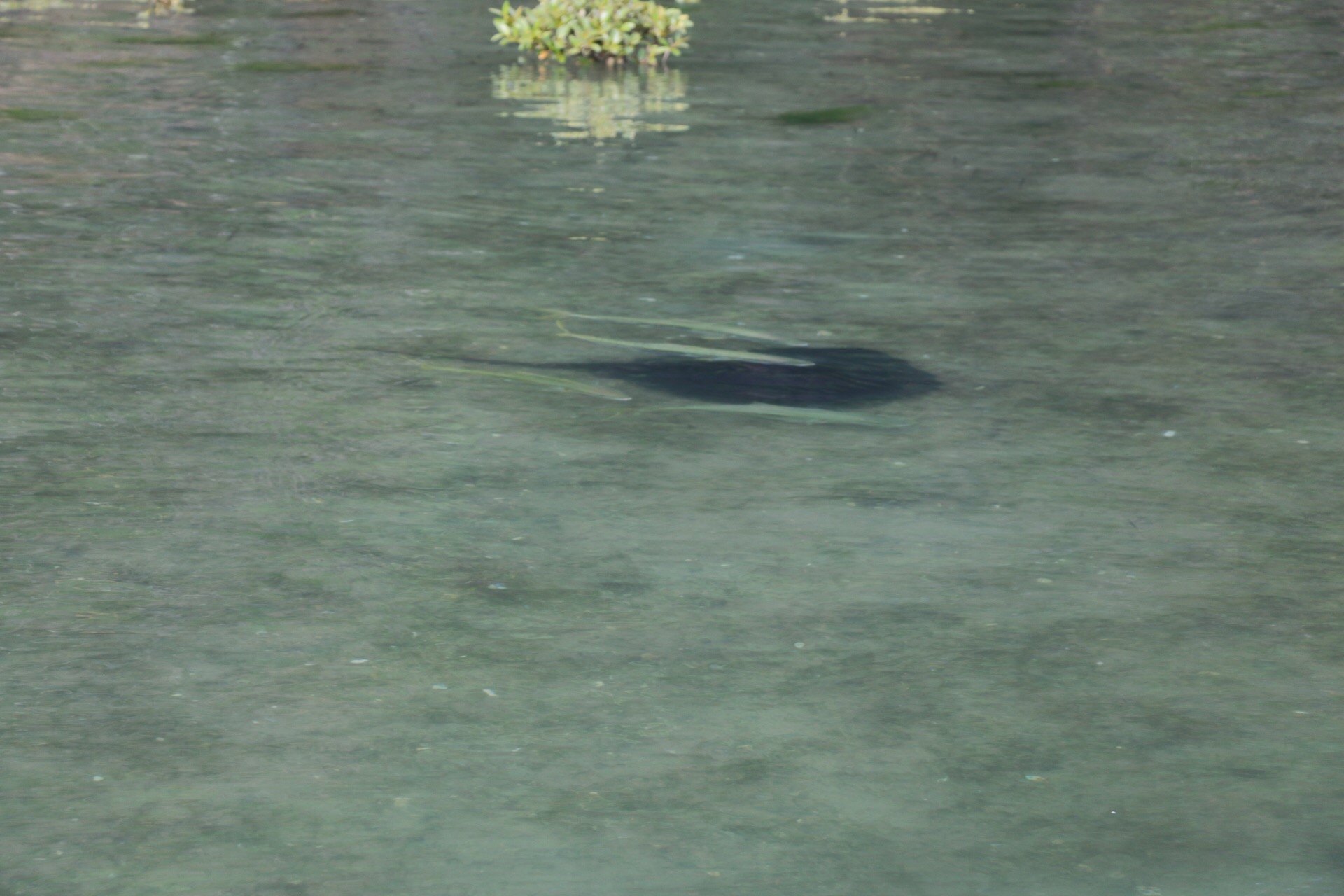
A group of killer whales a few months back had pushed the rays out of the channels and for about 10 days afterward we had good sightings of stingrays, often accompanied by the green backed thugs. Currently we have the same situation with all the holiday boat traffic, a blessing and a curse!​


No particular food source is being turned down currently. Big numbers of piper around the zostera, with mullet schools and mini flounder also a common sight. Don’t limit yourself to the ray rider phenomenon either. It is amazing to pin them off the back of a ray, but if that’s all you’re searching for you’ll miss out on a lot more options presented – often at close range. 

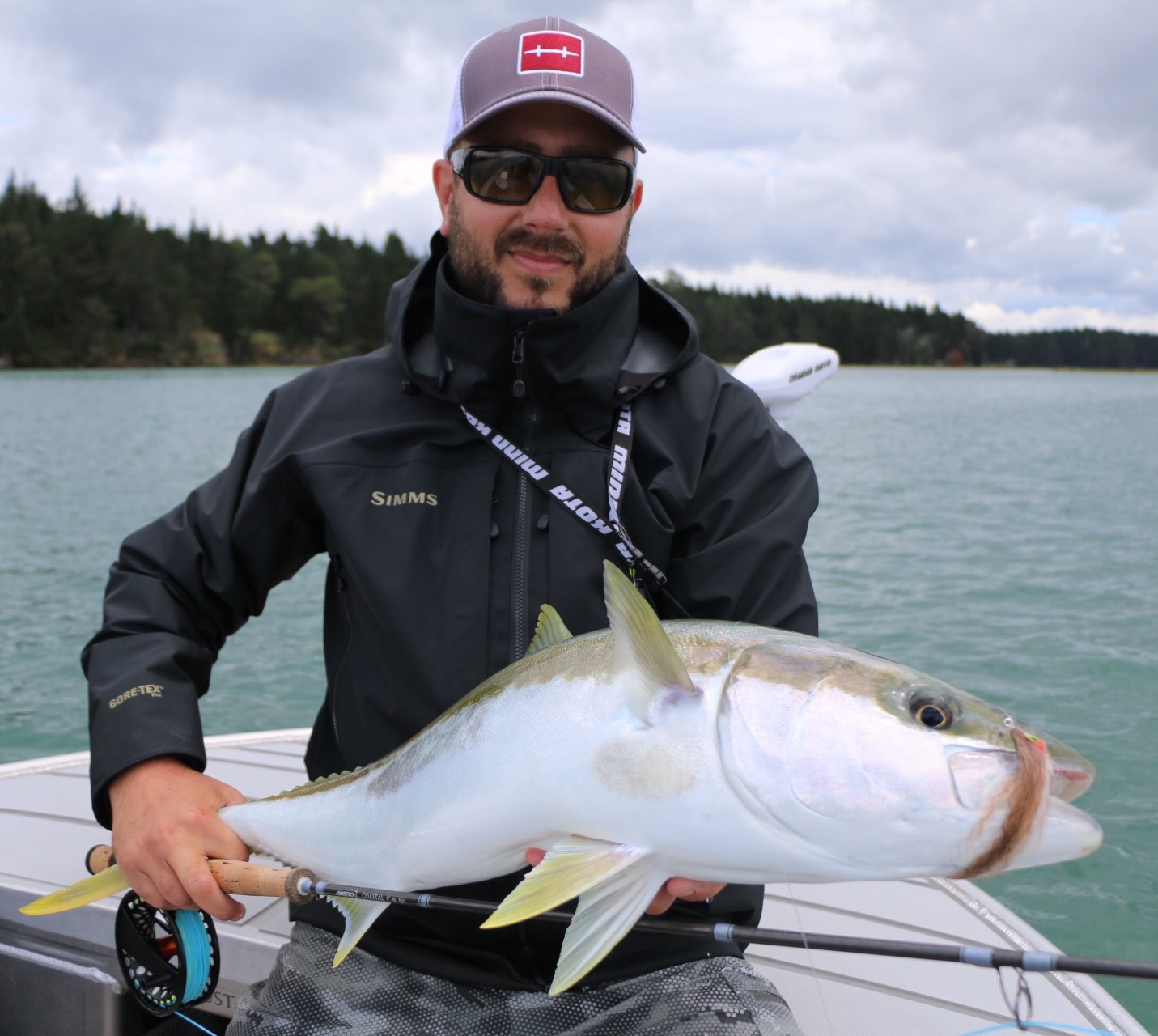
From what we’ve already experienced Tauranga is in for a big season. Most fish landed are over the legal size of 750mm with much bigger models sighted, hooked and lost! I snuck out for a look yesterday and was rewarded with a healthy fish from a huge ray, the smallest fish of the lot.  

It pays to get your casting up to scratch as the fish will be less inclined to hit a fly at close range, although they will follow a long way off the ray before smashing a fly boatside. Mix your retrieves up with different flies to get them swimming well, poppers being the prime candidate for this. 

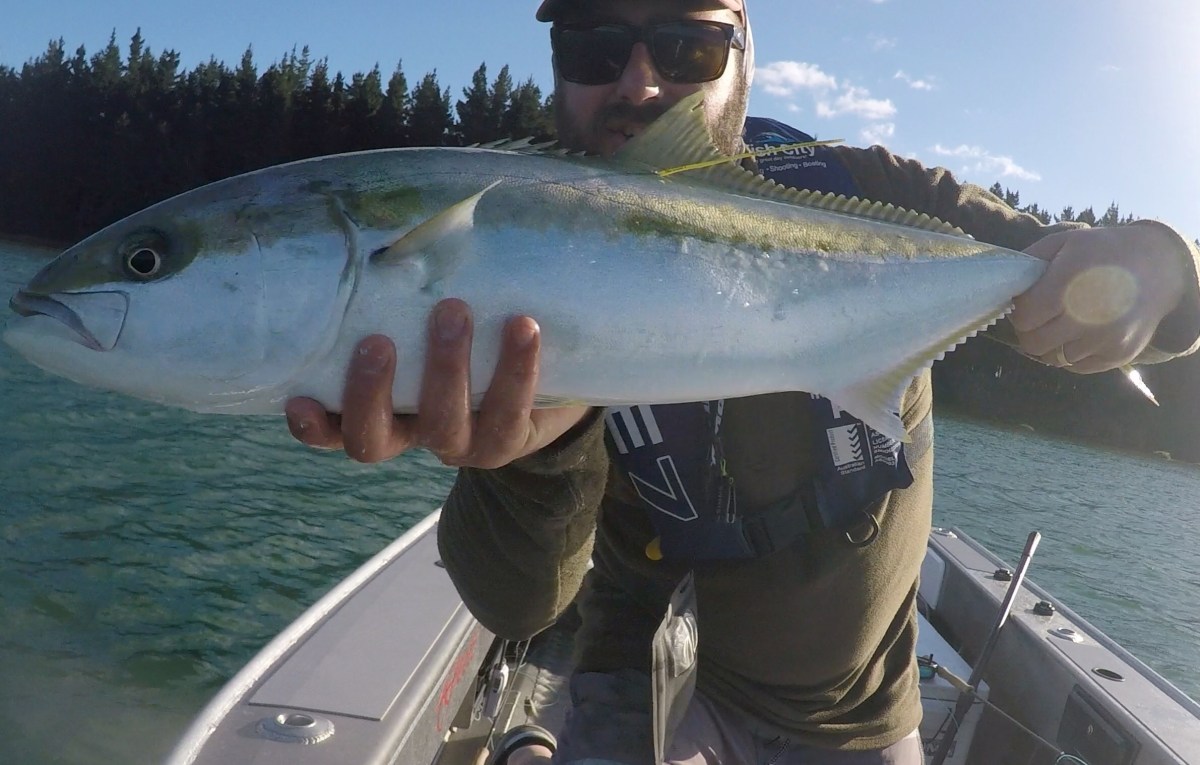
Lastly, and I know we bang on about it. Please handle these fish carefully, don’t hang them by their tails when landing, keep them wet and return to the water ASAP. Watching a fish swim away strongly is a good as getting the eat and the grip and grin. 

Now is the time so go out and enjoy it, we have many more months ahead of us. 

Piper, Garfish, Hyporhamphus ihi, Halfbeaks or Ihe

Call it what you want it’s also known as kingfish candy to a lot of sea fisherman. At this time of year we have big numbers of piper seeking refuge around the eel grass (Zostera muelleri) in the shallow sand flats of most New Zealand harbors. 

Our cunning Yellowtail Kingfish are well aware of this and that is why my go to fly normally resembles a piper of some sort. Subtle colour variations are rarely needed but it does pay to carry a few options, not only in colour but also size. With an average size of 200mm but micro or larger sizes always present it pays to mix things up. 

1/0 Mini Pipe

4/0 Olive Piper

The infamous Rattle Pipe

Kingfish tagging program

Midway through last season a group of us joined forces with the objective of tagging kingfish caught on fly, in particular the ones found in the skinny water here in New Zealand. 


What started as a curiosity about these creatures habits and desire to protect them and their habitat has now gained the attention of Bluewater Marine Research, New Zealand Sportfishing Council and Legasea. Having the backing and support of these guys gives us a solid platform to work from and collate data as it comes to hand. 


A recapture rate of around 7% gives us insight into the Kingfish movements and growth, already we have had 2 reports back. The most recent having travelled 190km in 160 days with a growth of 4cm over this time. 

We encourage you to get out there and catch these fish but bear in mind they are a valuable resource for data collection. Please measure nose to fork of tail and release with care. Also record the tag number and send all info to the site provided on each tag – a close up pic of the tag is a good way of getting that info quickly for later transferal. And if you don’t have a tape just lay your rod beside it take a mark and measure later. 
Some points on fish handling:

Use barbless hooks – it’s far easier to release them and less harm 

Net the fish preferably or cradle in the shallows

Keep time out of water to minimum  

Lay on a wet towel on boat decks, use an edge to cover eyes if needed

Keep fight times as quick as possible